 JAPAN GAMING & ENTERTAINMENT

A martial artist hangs upside down and swings on a rope, throwing punches and kicks. The wider the swing, the harder the hit. This 2D martial arts action game, SAKA-DOH: THE REVERSAL ARTS, comes to Nintendo Switch on December 2. The Steam version launched in February 2026, and that same month Mukuro no Rasen, a roguelite action game where every death makes you stronger for your next run at the tower, also launched on Steam.
Both are Matrix Corporation games. SAKA-DOH was made by Kenji Kaido, producer of ICO and Shadow of the Colossus. Mukuro no Rasen was made by Kohji Kenjoh, director of Nintendo’s Custom Robo series.
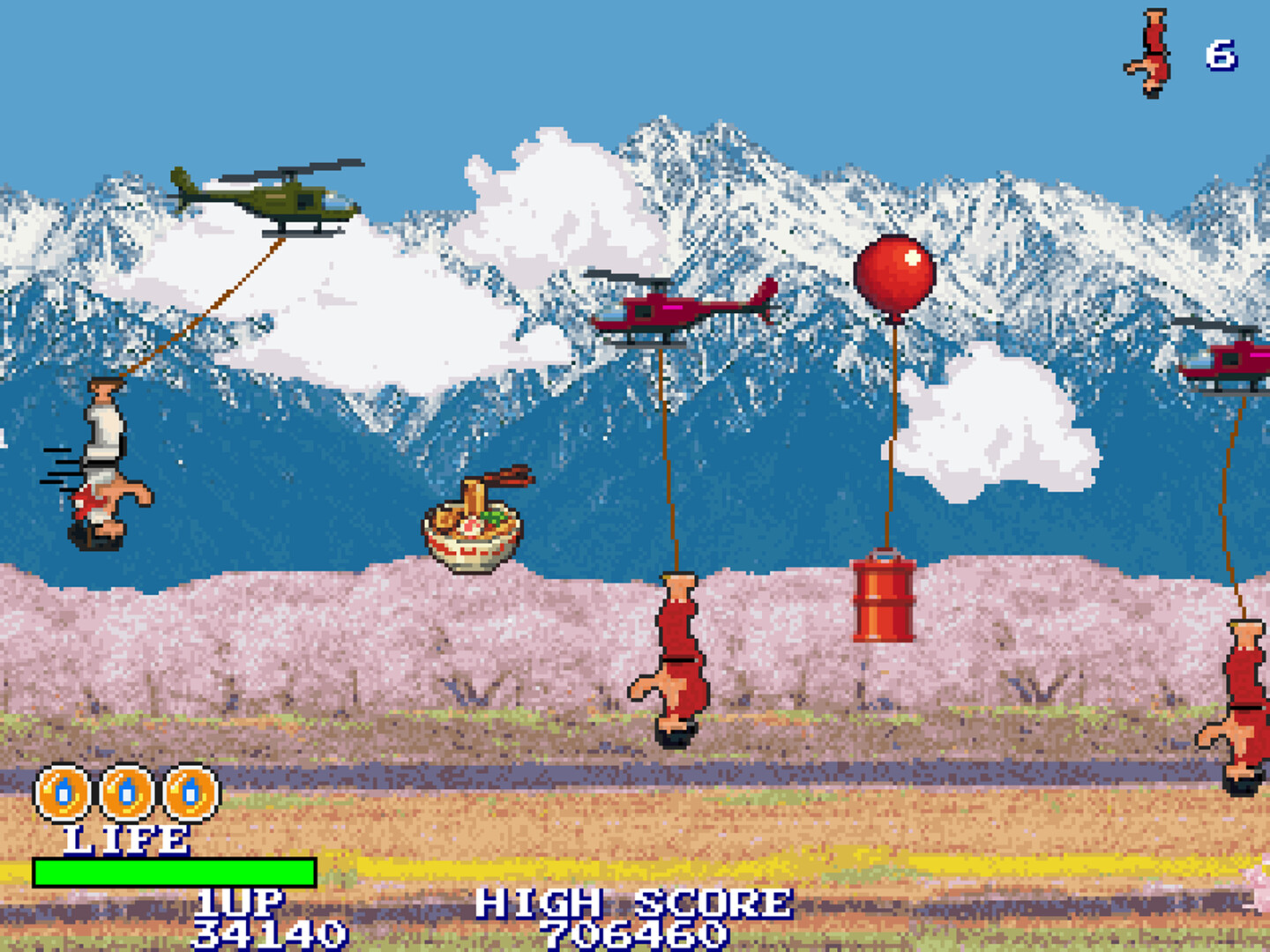
The hero is a martial artist searching for a missing loved one. Chain basic attacks into combos, fill the Sen-Qi gauge up to three levels, and let loose special moves. Time your hits off the rhythm of the enemy’s swing, and stay toward the front: get driven to the back of the screen and there’s no room left to swing.
Kaido says the idea came from the kind of movie scene where someone fights while dangling from a helicopter, and that hanging upside down would leave the hands free to fight. The swinging motion isn’t governed by simulated physics, he says, because unintended movement would make the game hard to control. The game is set up as if it were built on a late-1980s arcade board, and its presentation stays within what that era allowed.
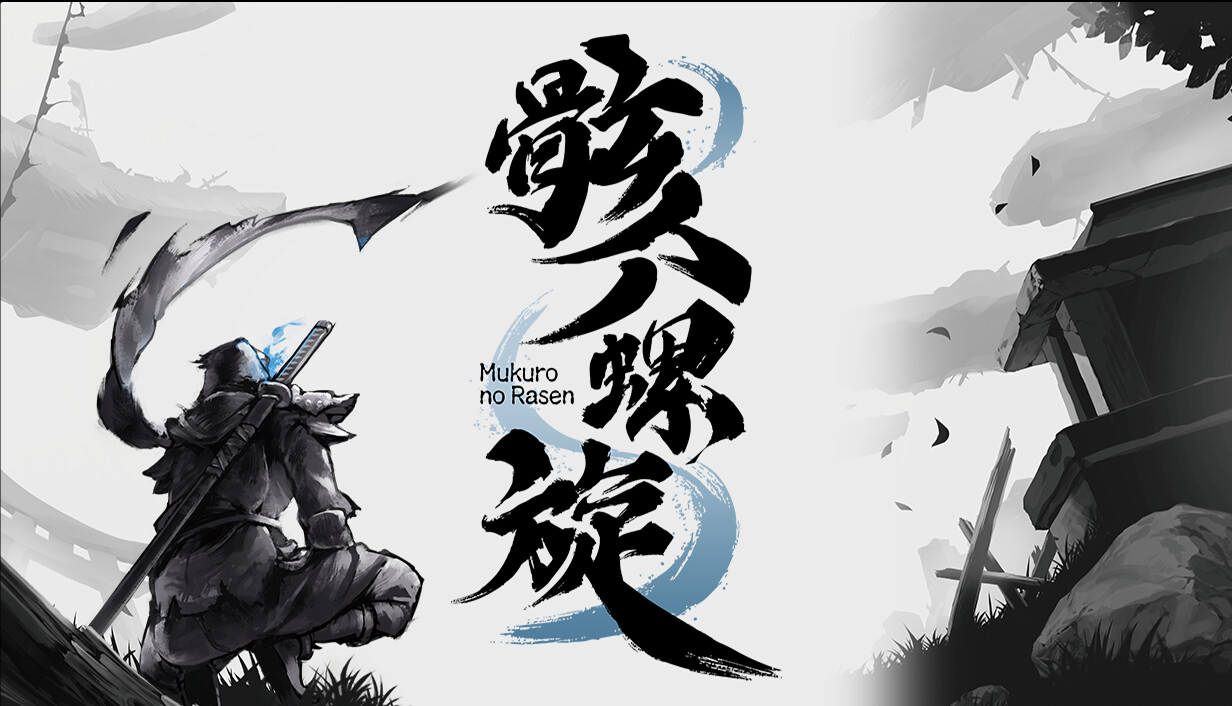
Mukuro no Rasen uses just one stick and one button. You move the ninja Rasen, using walls and ceilings as footholds, to climb the tower and beat the boss at the top. Attacks fire automatically. Jump Zones send you a long way in one leap, and Flip Zones carry you through to the opposite side of the floor. Gold you pick up goes toward permanent equipment upgrades, and silver toward arcane techniques that last for that run only.
Kenjoh points to Vampire Survivors as an example of a game that’s fun just to move around in, and says that game’s idea of firing bullets nonstop was combined with the concept of a tower where up and down are interchangeable. In the early build, which used movement-only controls, jumps and gravity flips couldn’t be executed as the player intended, and input lag dulled the sense of speed. Ease of play won out, Kenjoh says, and one button was added reluctantly.
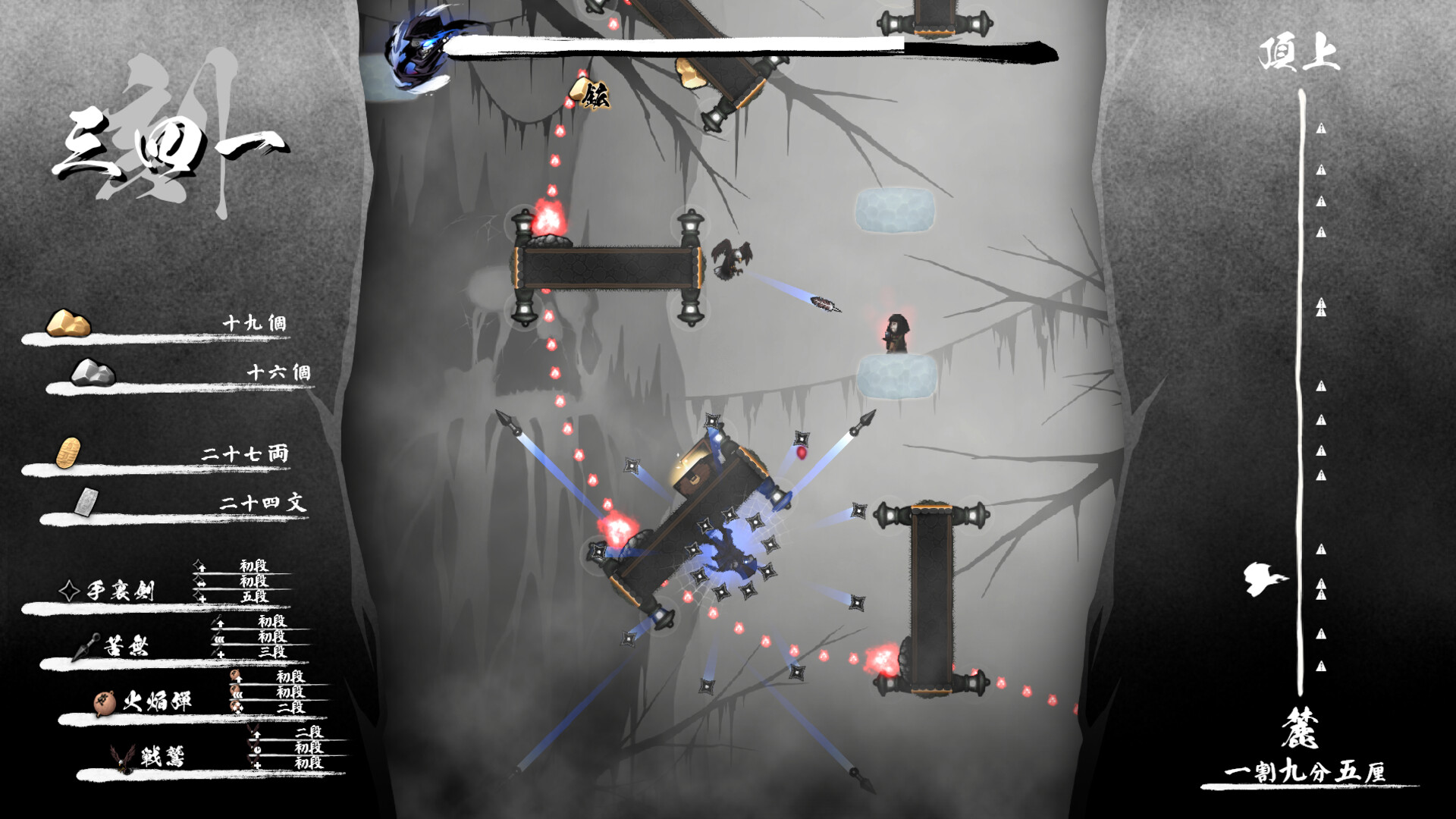
Both games share a yardstick: the arcade-era ideal cited by the head of Matrix. In that ideal, the fun becomes clear within one minute, you hit Game Over by minute three, and you’re left wanting another go.
Scores in SAKA-DOH change with how you take enemies down, so replaying a stage with a different approach could be part of the draw. In Mukuro no Rasen, even gold from a failed run carries over as upgrades, so the more you try, the higher you could climb.
| Platforms | Release date | Demo |
|---|---|---|
| Steam (PC) | February 5, 2026 | No |
| Nintendo Switch | North America: December 2, 2026 | — |
Language: English
Players: Single-player
As of November 28, 2026