 JAPAN GAMING & ENTERTAINMENT
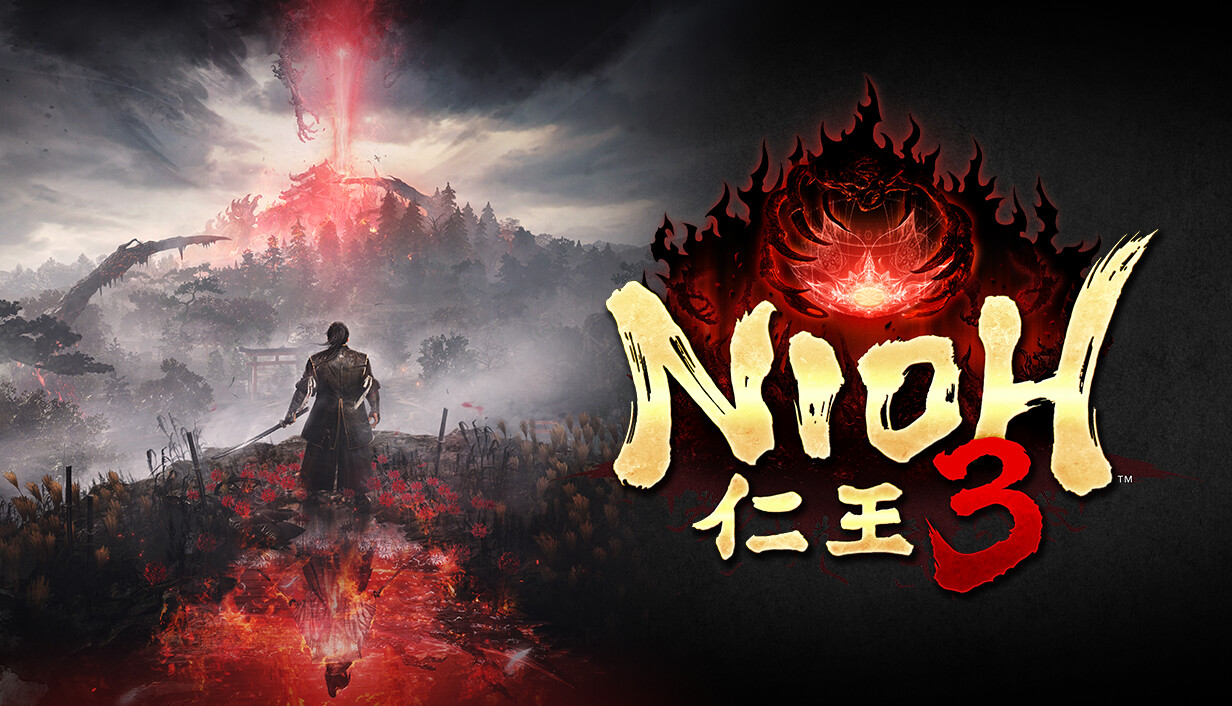
The Nioh series has no luck-based critical hits, the kind where chance decides when a blow lands for big damage. Kohei Shibata, producer of Nioh 3, explained why during a Team NINJA talk at G-STAR, the South Korean game show. Team NINJA is the studio behind Nioh and Wo Long.
According to Shibata, action games already carry some uncertainty over whether an attack connects. Stack random big damage on top of that, and players feel it’s unfair. So in Nioh, big damage is something players have to go after themselves, by hitting enemies from behind or striking their weak points.
Shibata also described how stages are built. Past a tough stretch, the game first shows a door that won’t open or a ladder that’s out of reach. Loop around, and players can open the door from the far side or lower the ladder. The aim is that players who realize the new route loops back to where they started feel a sense of accomplishment, along with the reassurance that the next trip will be easier. Where a clearly stronger enemy is waiting, the game also provides a detour, so players can choose between a head-on fight and circling around behind it.
Nioh 3 has two fighting styles: Samurai Style, which shifts between stillness and motion, and Ninja Style, built on speed and maneuvering. According to Shibata, players are split on which is stronger. He takes that as a sign that both are strong once you master them.
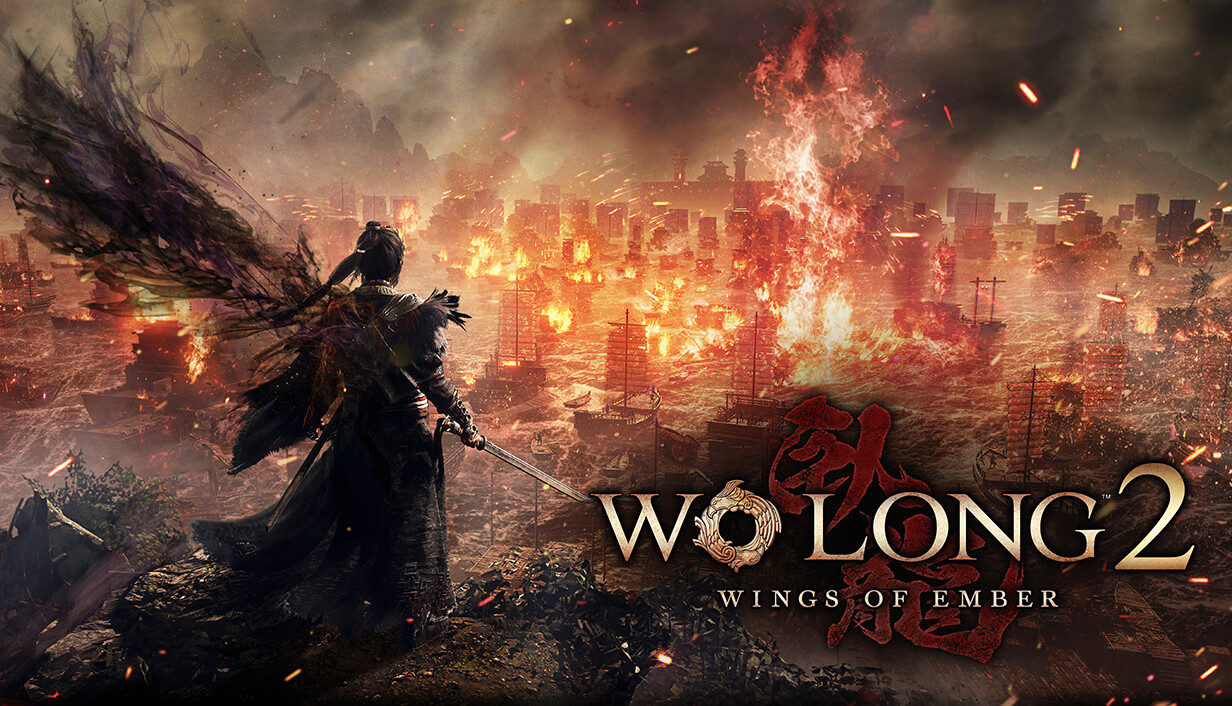
Nioh 3 launched on PlayStation 5 and Steam in February 2026. Masakazu Hirayama, producer of Wo Long 2: Wings of Ember, also took the stage at the talk. Wo Long 2 comes to PlayStation 5, Xbox Series X|S, Nintendo Switch 2 and Steam on March 4, 2027. Both games list full English voice acting on Steam.
A new IP needs more than novelty, Hirayama said, and he named three conditions: it plays to the studio’s strengths, there is a reason to make it, and it takes on a new challenge. As an example, he pointed to a music game built around an instrument that no game has focused on before. Team NINJA’s know-how wouldn’t count for much there, he said, and it would be hard to please existing fans. For Wo Long, the strength is the studio’s experience with high-difficulty action. The reason is the body of work behind the company’s own ROMANCE OF THE THREE KINGDOMS series, along with building on Nioh. The challenge is Chinese-style action and a setting drawn from Chinese history.
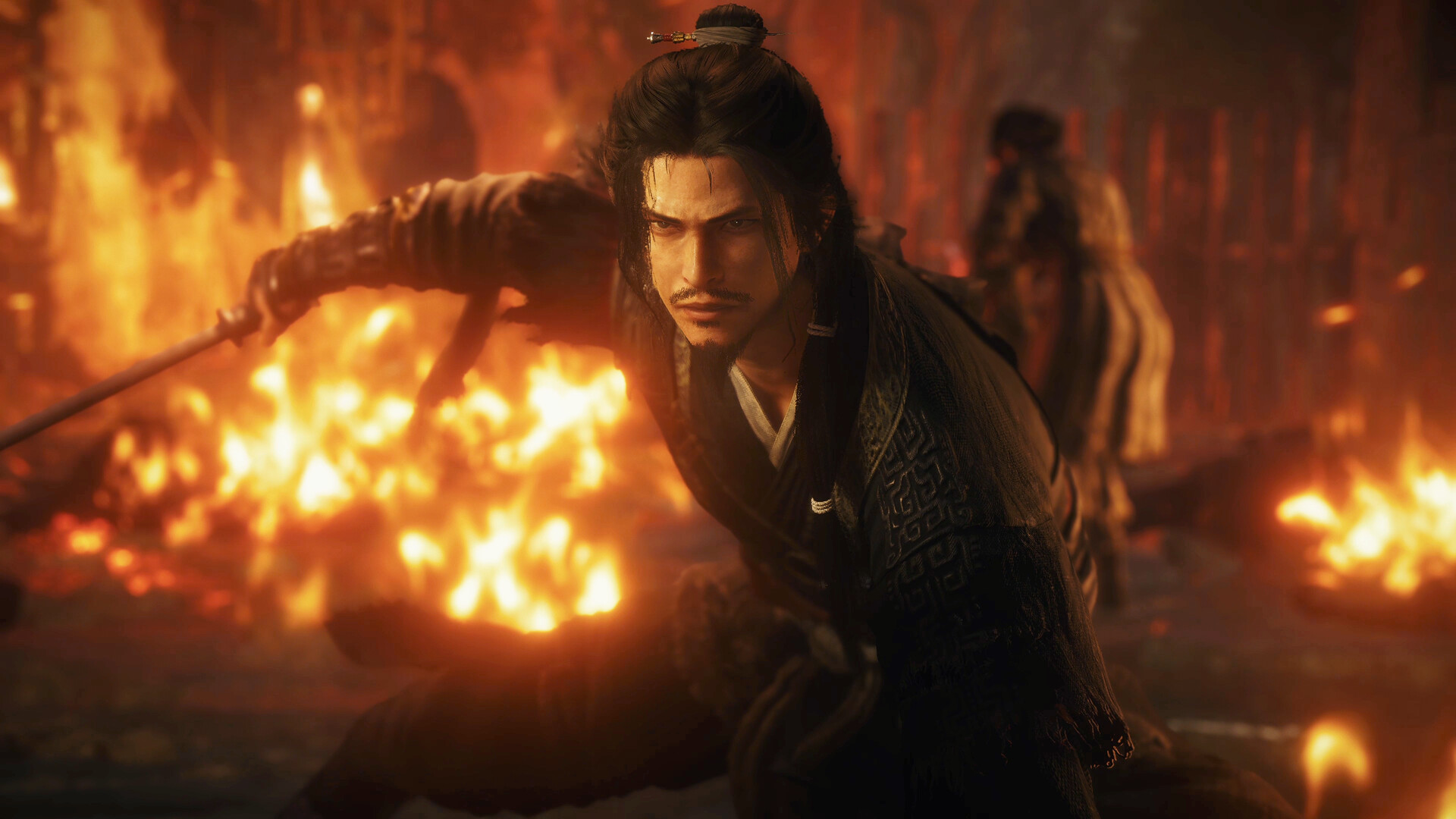
Hirayama identified difficulty balance, range of approaches and character growth, volume and replayability, and PC optimization as the first game’s weak points. In Wo Long 2, the battlefield becomes an open field, and you station defeated officers at your base as followers to make yourself stronger. According to Hirayama, the first game made the protagonist’s motive hard to follow. So Wo Long 2 brings in Pang Tong, who was ranked alongside Zhuge Liang in Chinese history, as the protagonist’s best friend, and has him voice what the silent protagonist doesn’t say.
With luck-based big damage gone and backs and weak points as the target, each fight likely comes down to working out how to bring the enemy down.