 JAPAN GAMING & ENTERTAINMENT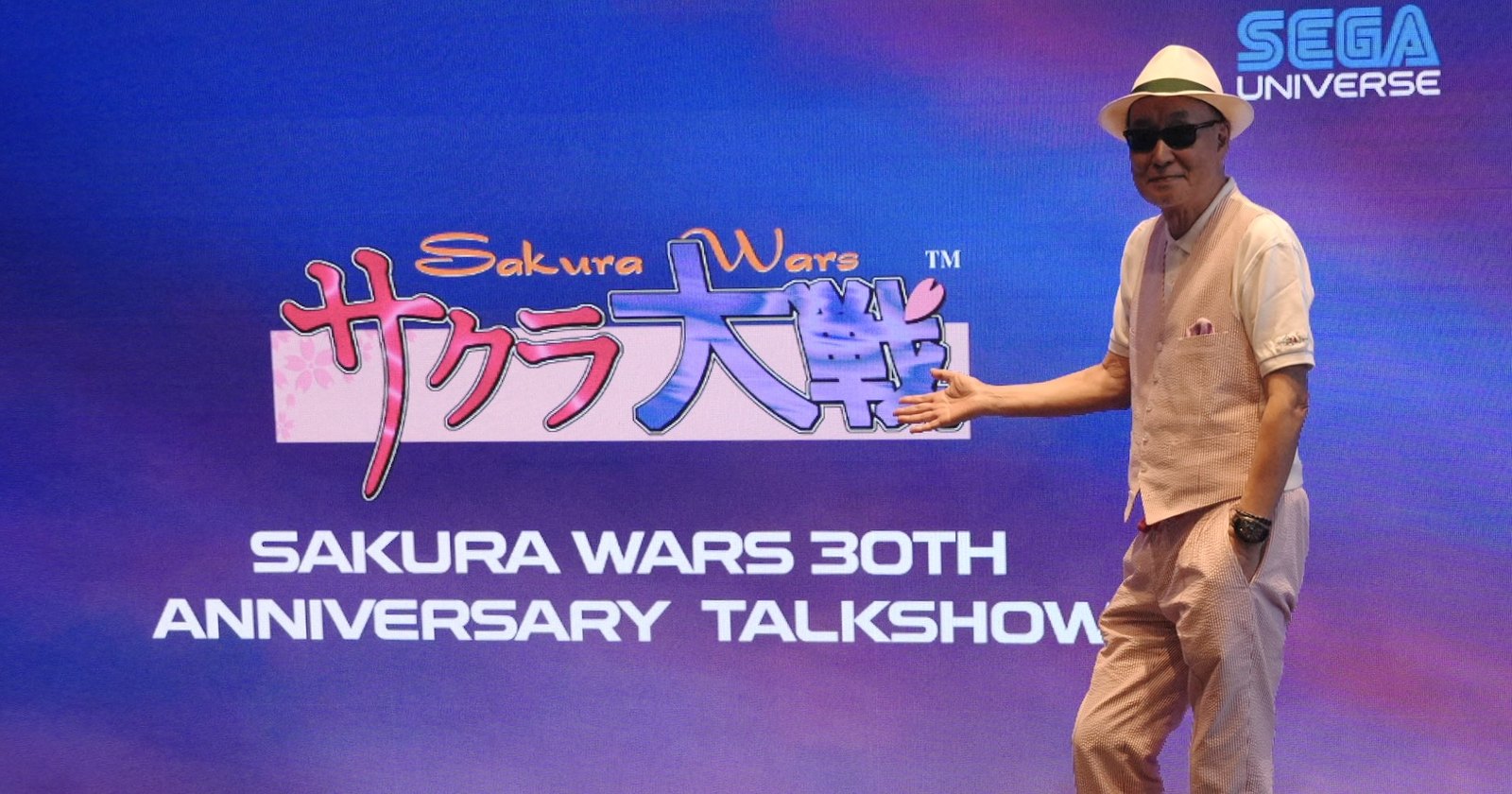
On August 8, 2026, Oji Hiroi, creator of Sakura Wars, appeared at SEGA’s “SEGA UNIVERSE PLAYGROUND” event, held at Shibuya PARCO in Tokyo.
The event marked 30 years since the release of the first game in 1996. In a two-part special talk show, Hiroi looked back on how the project came to be, the series’ original “Taisho” world, its music and stage productions, his relationship with fans, and even the period when he stepped away from the series.
A point Hiroi returned to again and again was that Sakura Wars was not completed by a single creator, but rather grew through its relationships with staff, cast members, and fans.
Sakura Wars Began with an Encounter with SEGA
The first part of the talk show was themed “The Night Before Sakura Wars: The Road to the Project.”
Before Sakura Wars, Hiroi had worked on titles such as the Far East of Eden series and the anime Mashin Hero Wataru.
According to Hiroi, after Tengai Makyo II, he was contacted by Shoichiro Irimajiri, who was SEGA’s president at the time.
At the time, Hiroi was also working with Hudson Soft. He had an idea for a project centered on girl characters, but it never came to fruition there. SEGA, on the other hand, responded positively to the concept.
Still, because he was running his own company and had staff to support, Hiroi could not easily give up his existing work.
Irimajiri arranged things so that Hiroi could continue working with Hudson Soft while also taking on work with SEGA, according to Hiroi. Even on stage 30 years later, Hiroi expressed his gratitude for that arrangement.
The “Songs” Came Before the Game
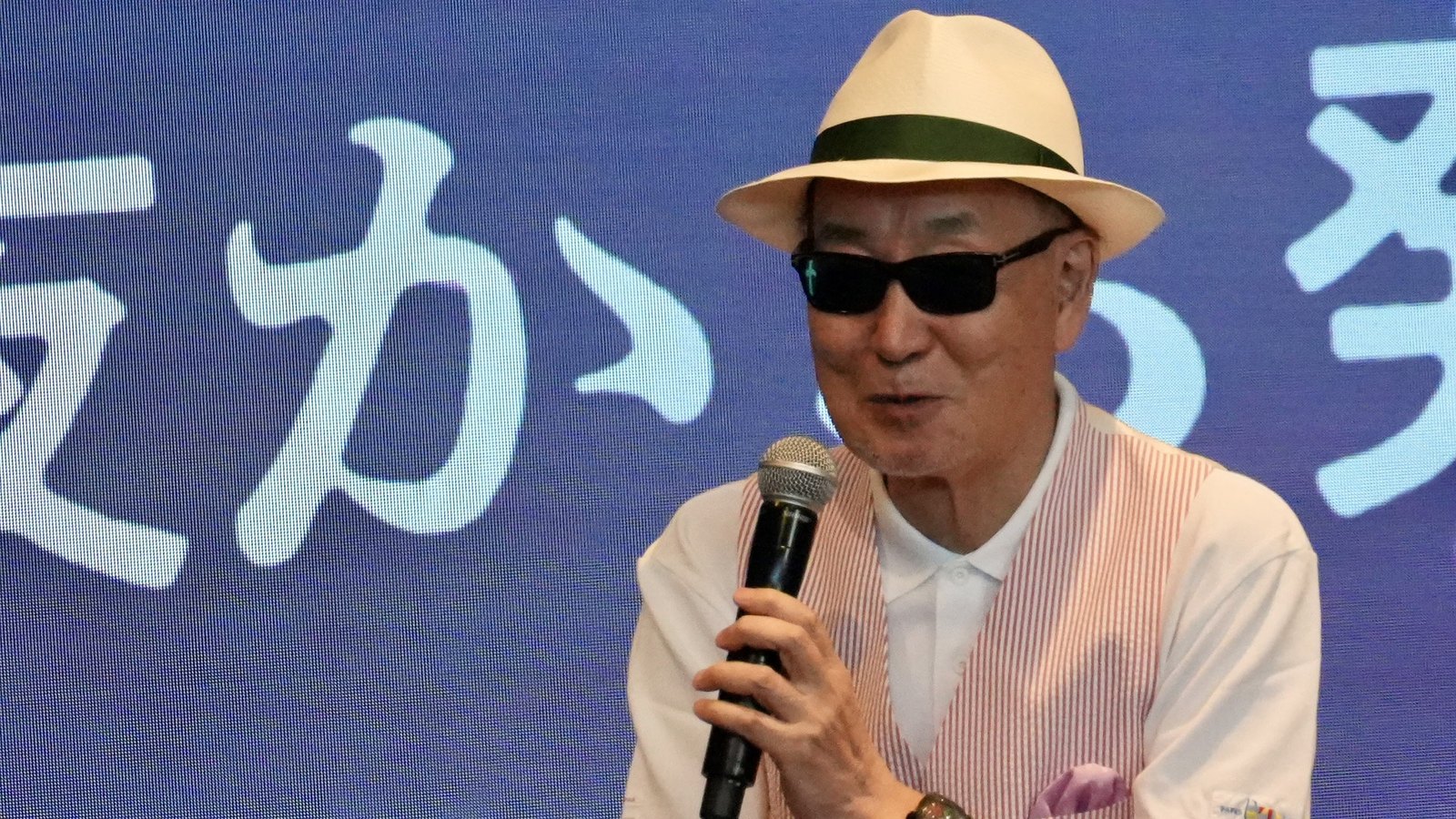
Music is one of the defining elements of Sakura Wars.
Hiroi had already experimented with linking games and songs in Tengai Makyo: Fuun Kabuki Den. Drawing on that experience, he placed even greater emphasis on music in Sakura Wars.
He approached composer Kohei Tanaka, who handled the music, about wanting to create something like a musical, and the two produced a large number of songs together.
According to Hiroi, the songs for Sakura Wars came first, and the game was shaped around them from there.
Expressing a character’s personality and emotions through song removes the need to explain everything through dialogue alone. Music was not an effect added to the game afterward, but a key element that shaped the design of the work itself.
From the Real Taishō Era to the Fictional Taisho
Sakura Wars is set in the “Taisho” era, a time resembling real Japan but with a different history. This “Taisho” is a fictional era name: in Japanese it is pronounced the same as the real Taishō era, but it is written with different characters, making it an invented era rather than the historical one it echoes.
According to Hiroi, in the early planning stages there was also an idea to set the story against the backdrop of wartime Shōwa era Japan. However, as the story kept developing it grew darker, so he considered moving the setting to the Taishō era instead.
He then built a world in which steam technology had developed along its own unique path, incorporating steampunk-like elements. This is how the “Taisho” that differs from the real Taishō came into being.
During production, Hiroi shared historical reference materials from the actual era with each department and indicated where they should diverge from it to fit the world of the game.
Hiroi established the initial vision, and the staff then translated it into production-ready specifications.
For that reason, Hiroi explained, the Sakura Wars that fans ultimately see was built by the staff, and once it left his hands, it also became a story that belonged to the fans themselves.
Pursuing Its Japanese Identity Also Helped the Series Connect with Overseas Audiences
Turning to overseas expansion, Hiroi recalled how Sakura Wars gained popularity in Taiwan and looked back on his own experience visiting there.
What Hiroi valued was not toning down Japanese characteristics with an eye toward overseas audiences.
According to him, what matters is first creating something with a strong Japanese identity, and then having different cultures respect one another on that basis.
World-building details and elements of Japanese culture that could not fit into the main game were also depicted through OVAs, drama CDs, and other media.
As one example, Hiroi discussed the rau-ya, an artisan who cleans the rau, a part of the kiseru (a traditional Japanese pipe).
Rather than confining the world to the game alone, it was expanded into anime, music, audio dramas, and stage productions. That was the media mix behind Sakura Wars.
The Kayou Show, Where the Voice Actors Themselves Played Their Characters
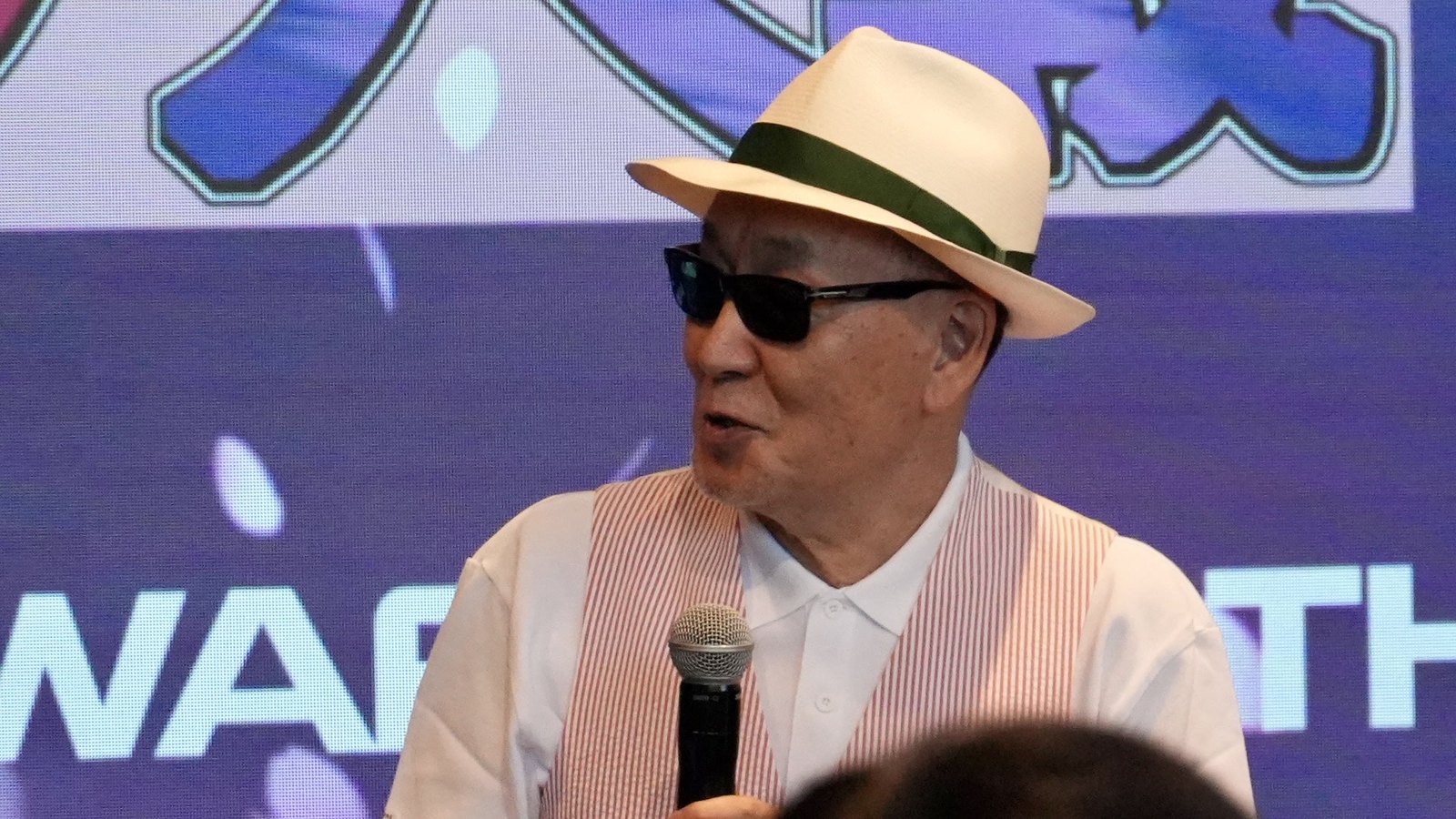
The signature example of this expansion was the “Sakura Wars Kayou Show” (a stage revue series).
According to Hiroi, when he watched a Sailor Moon stage production that was running at the time, he saw child audience members reacting to the fact that the voices were different between the anime and the stage show.
So for Sakura Wars, he adopted a format in which the same voice actors who played the characters in the game also appeared on stage.
It was an approach that connects to what is known today in Japan as the “2.5-Dimensional Musical,” a format in which actors portray manga, anime, and game characters on stage.
The Kayou Show, however, was not planned as a long-running series from the start.
According to Hiroi, the first performance was contracted as a one-off. Later performances were decided based on audience response after each show, and this process eventually turned it into a series.
Making a Show That Includes the Audience
What Hiroi aimed for with the Kayou Show was not simply reproducing the game on stage.
It was about creating an “experience” that audience members themselves took part in.
Drawing on kabuki and similar traditions, he welcomed call-outs from the audience, and when the audience reacted, the performers responded in kind. Each day’s performance was shaped by both the performers and the audience.
New projects sometimes emerged from the fans’ own actions.
When yukata came up in conversation during a summer performance, fans actually began showing up wearing yukata. Fans then sent inquiries about the yukata, and according to Hiroi, that grew into an official project to produce Sakura Wars yukata.
The merchandise was not planned first. Fans acted, and representatives of the series responded.
Hiroi said that the production staff and the fans see the work differently. Fans who love the work sometimes notice things the staff cannot see. For that reason, he said, he made a point of listening directly to fans himself.
AI Is a Tool — But a Work Is Made by People Clashing with One Another
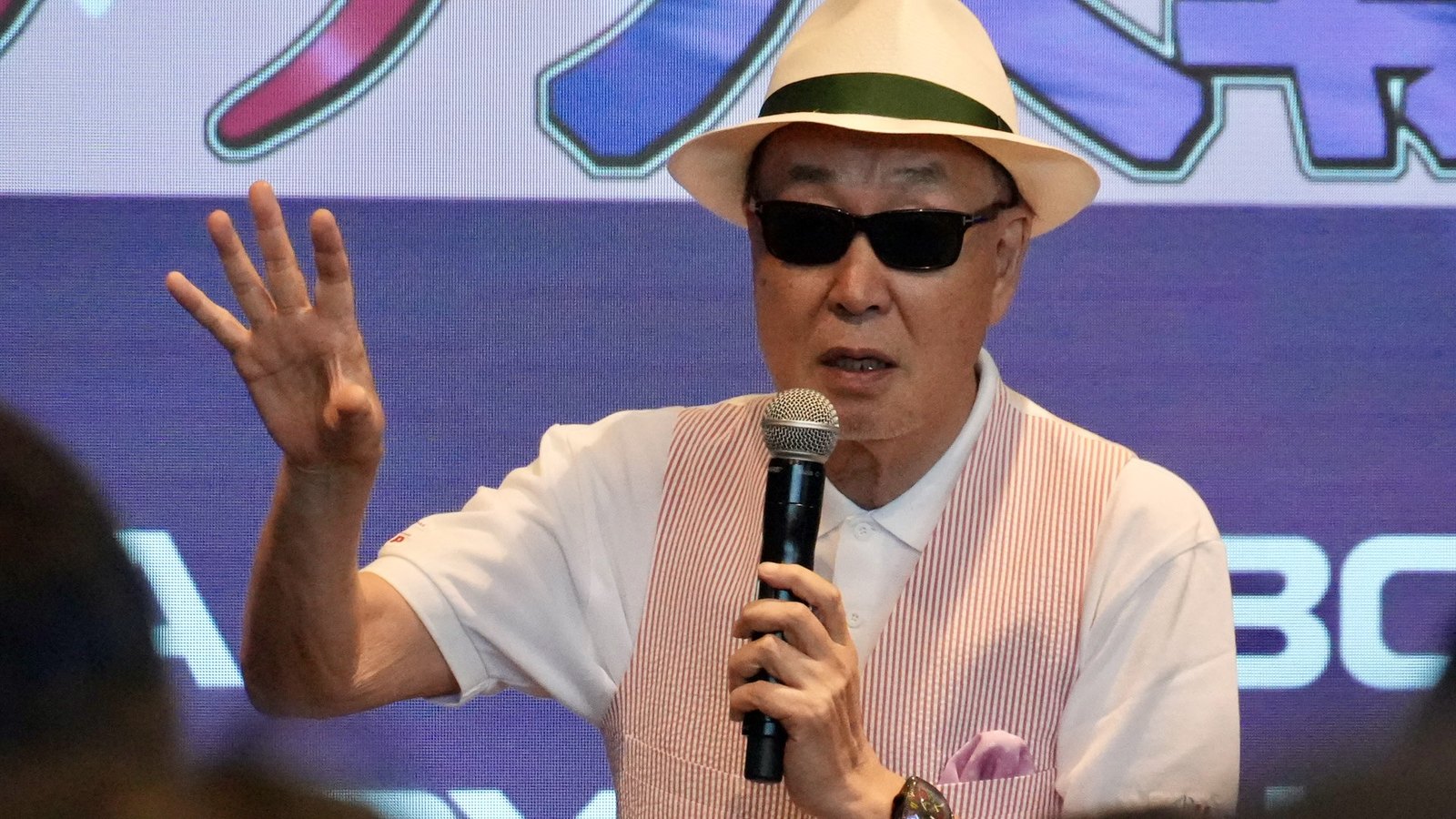
Sakura Wars brought together many creators, including screenwriter Satoru Akahori, character designer Kosuke Fujishima, and composer Kohei Tanaka.
Hiroi recalled that even when proposals differed from his own thinking, he sometimes realized, after reviewing them several times, that the other person’s idea was actually better.
What matters, he said, is having the room to accept opinions different from one’s own.
On the subject of AI, Hiroi did not reject using it as a production tool in itself. At the same time, he expressed the view that creative work ultimately requires people to build things together while allowing their ideas to clash.
Describing himself as a “kikaku-ya” (a professional who conceives and pitches projects), Hiroi also pushed back on the idea of “creating something from nothing.”
Nothing is created from complete nothingness, he said; people are shaped by everything they have seen and encountered before.
He explained that Sakura Wars, too, was a combination of influences drawn from works such as Thunderbirds, Patlabor, and Haikara-san: Here Comes Miss Modern.
What matters, he said, is what you draw out, how you combine it, and whether you respect the works that influenced you.
Running Nonstop for About a Decade, Then Leaving the Series
Hiroi also spoke candidly about the flip side of the series’ success.
For about ten years, he juggled numerous jobs at once — not just the games, but stage productions, lyric writing, radio, novels, merchandise supervision, and running his company.
There were periods when he slept only two or three hours a night, and according to Hiroi, even meeting people eventually became difficult.
After sustaining that pace for so long, he also gradually lost the mental space to consider the opinions of those around him and reassess his own thinking.
Hiroi explained that he judged he could no longer continue as producer under those conditions, and he himself asked to step away from the series.
How Hiroi’s Relationship with Sakura Wars Has Changed After 30 Years
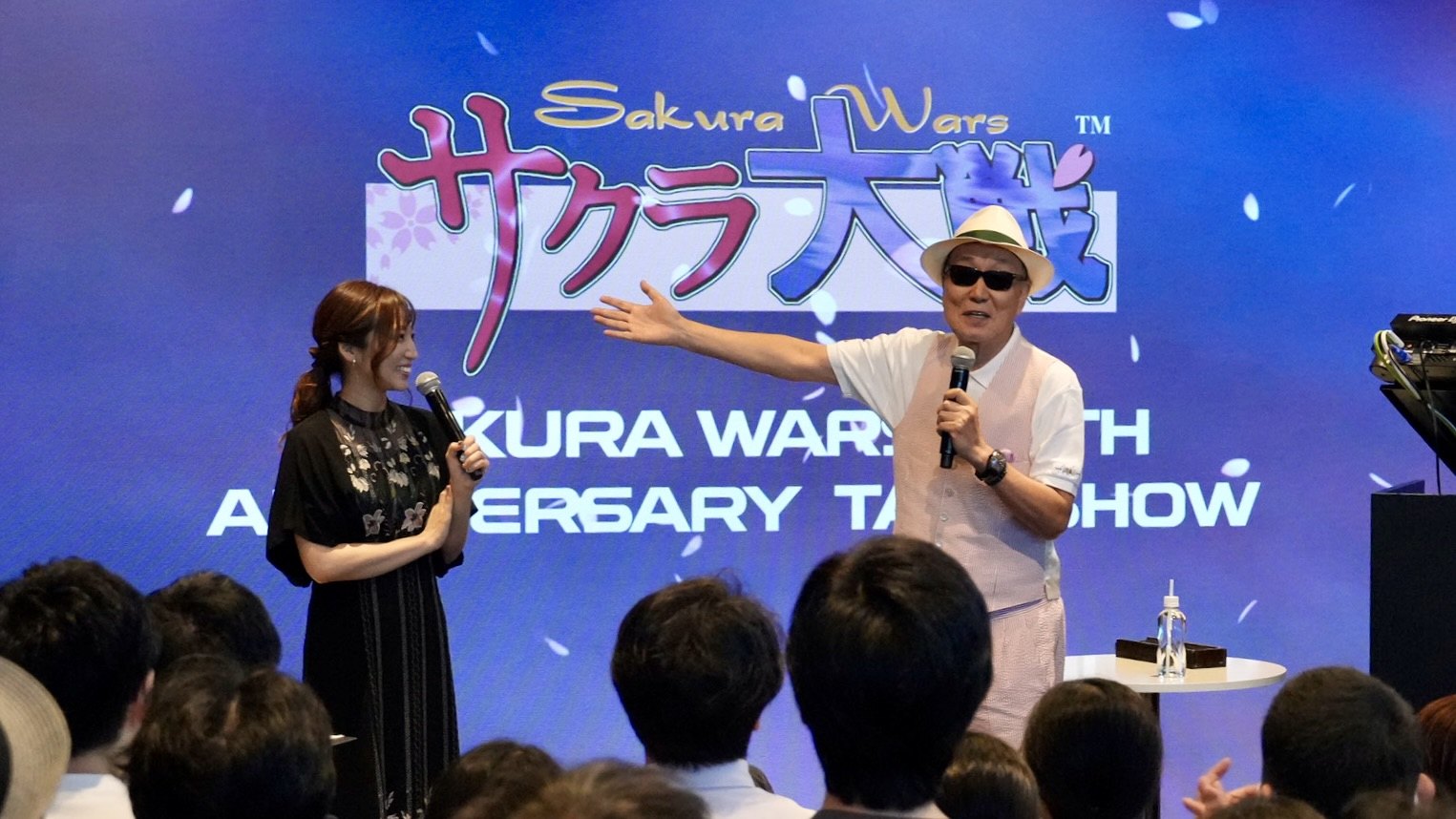
Near the end of the talk, an audience member asked whether Hiroi still had ideas for continuing Sakura Wars.
Hiroi revealed that concepts and plots he created at the time still exist. However, he noted that they belong to that era, and it is unclear whether they would still work as they are today.
He did not commit to whether he himself would take it on in the future, but indicated that if a concrete job opportunity arose, he would take it up at that time.
He also touched on a past incident in which his forceful remarks were reported as a rejection of Sakura Wars.
He recalled that being asked the same question repeatedly led him to use strong language, and that those words were conveyed to fans in a way he had not intended.
For a long time, people around him were careful to avoid bringing up Sakura Wars. But 30 years on, Hiroi said, his own feelings have changed.
Many staff members who had once worked on Sakura Wars also gathered at the venue that day.
The games, the songs, the anime, the radio programs, the stage shows, and the experiences of the fans themselves.
The staff turned what Hiroi first created into a finished work, and the fans, in turn, have been turning it into memories of their own.
The venue, filled with staff and fans even 30 years after its release, became a place that showed how Sakura Wars had moved beyond the hands of its creators to become a work shared by many people.