 JAPAN GAMING & ENTERTAINMENT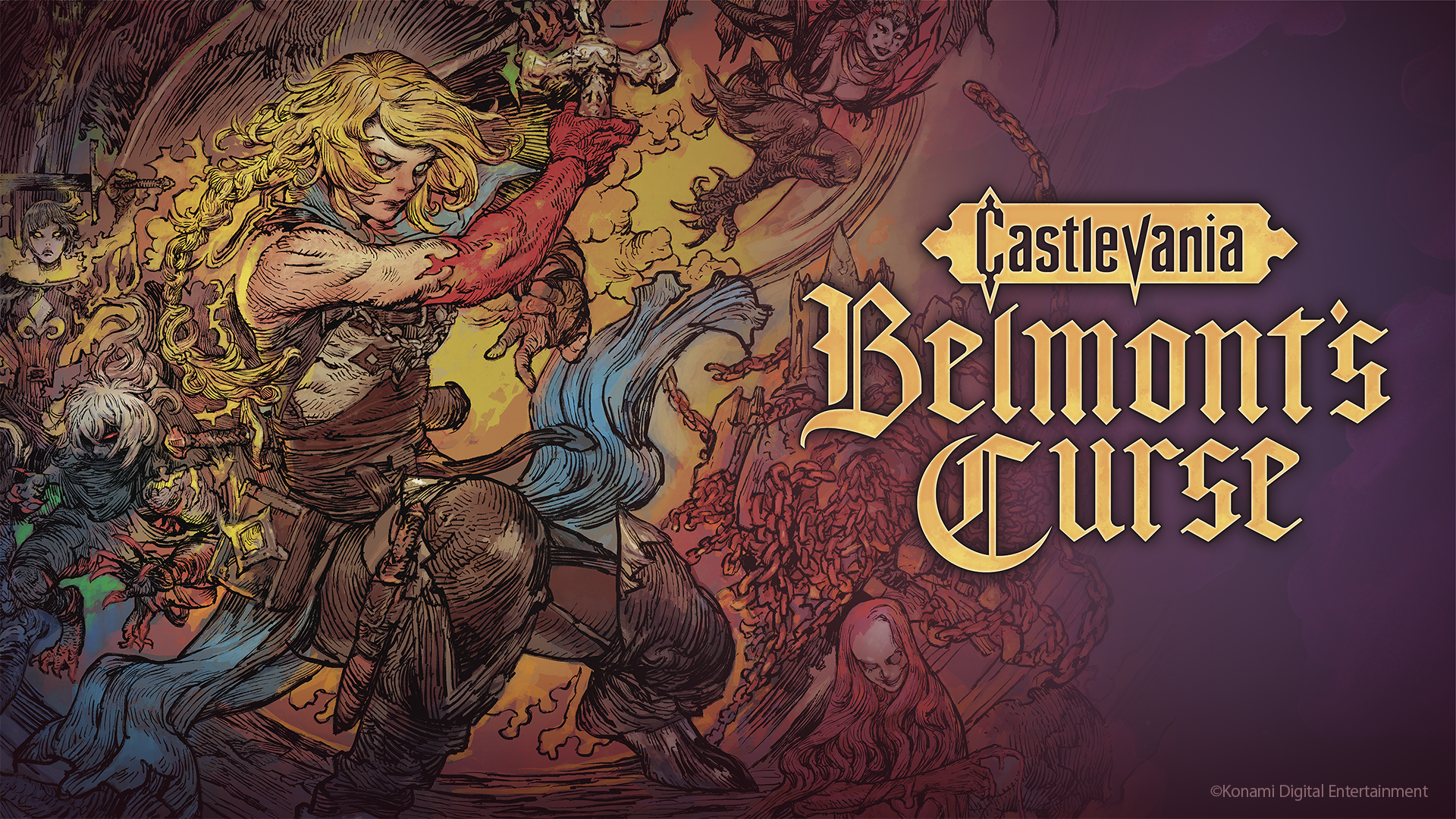
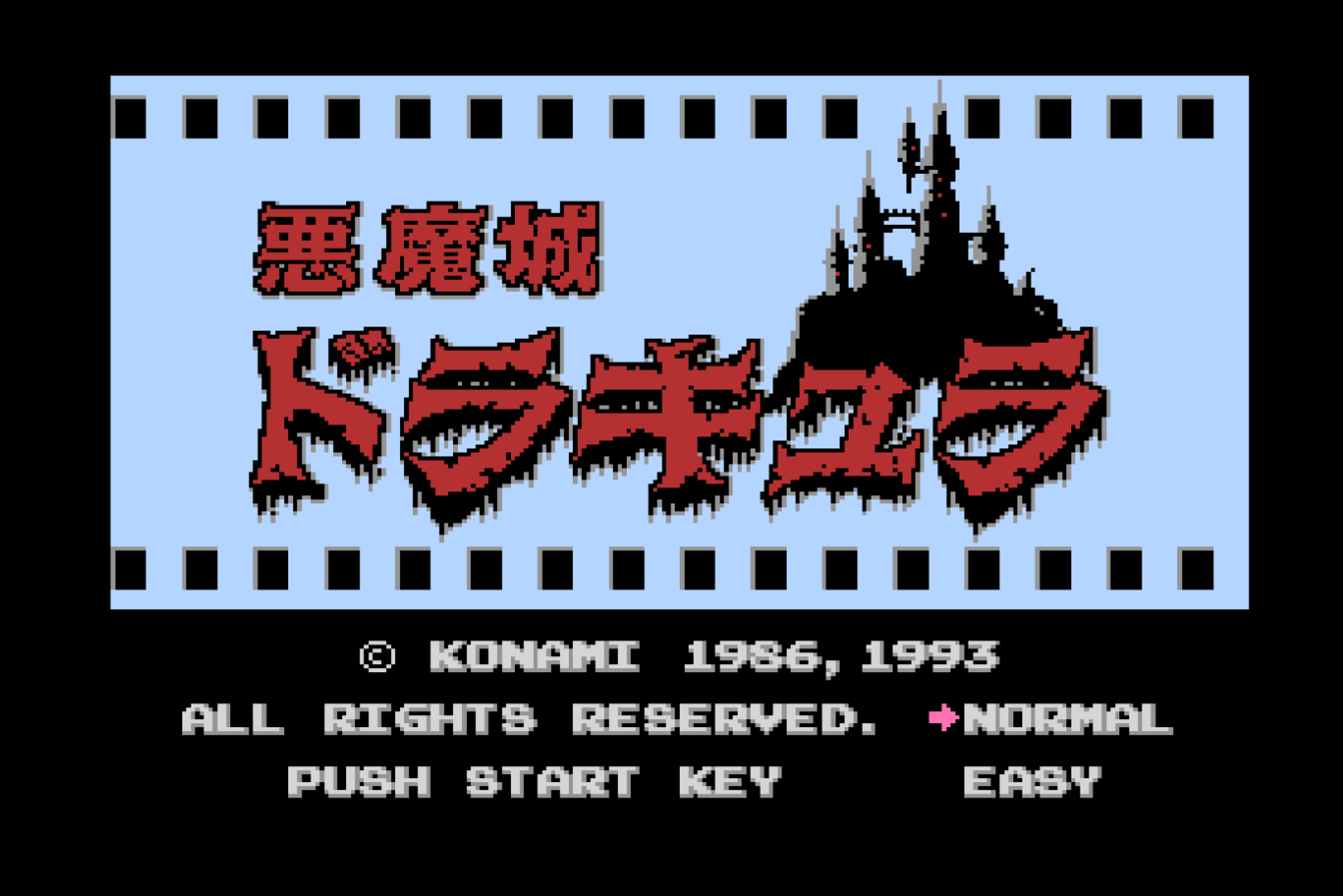
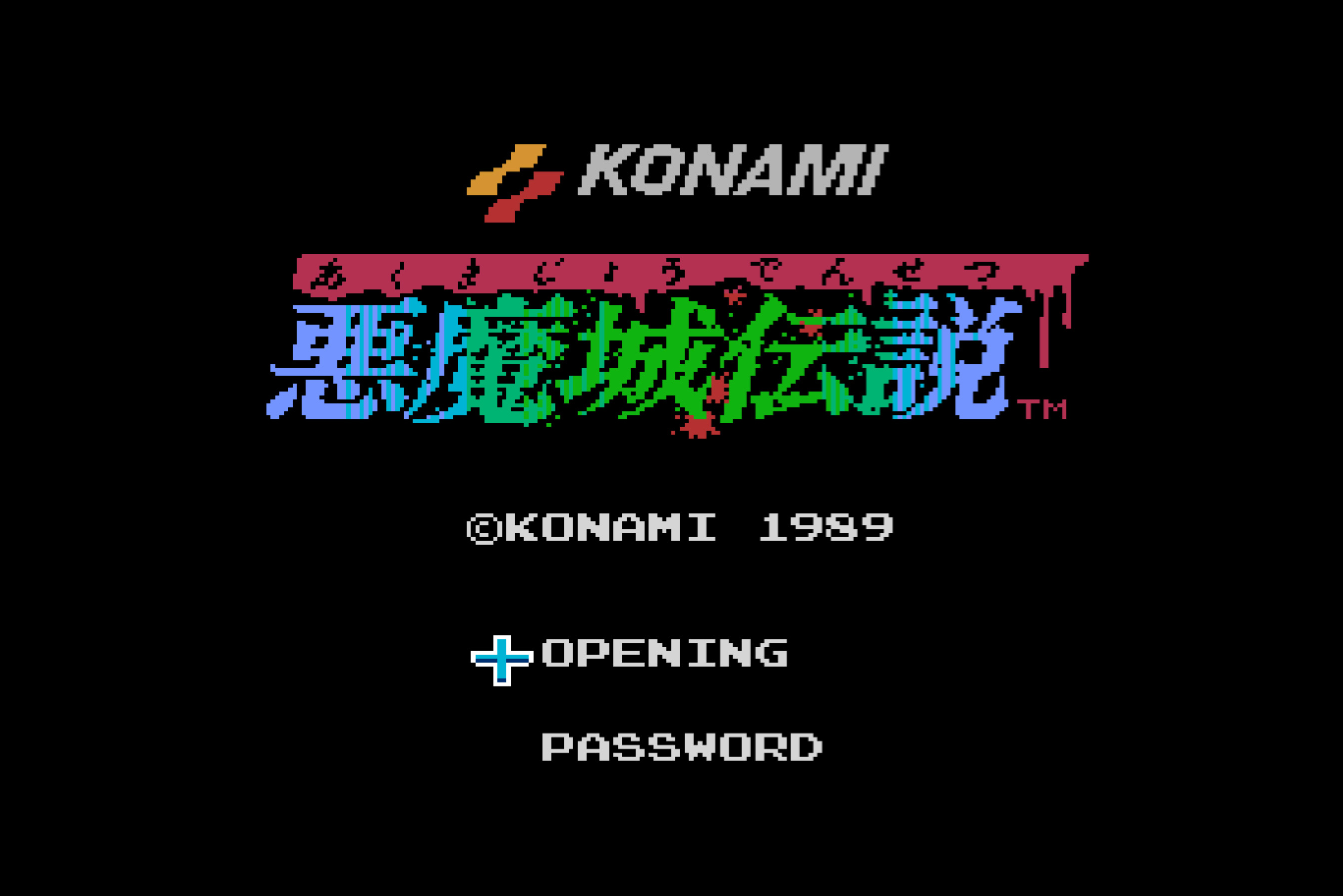
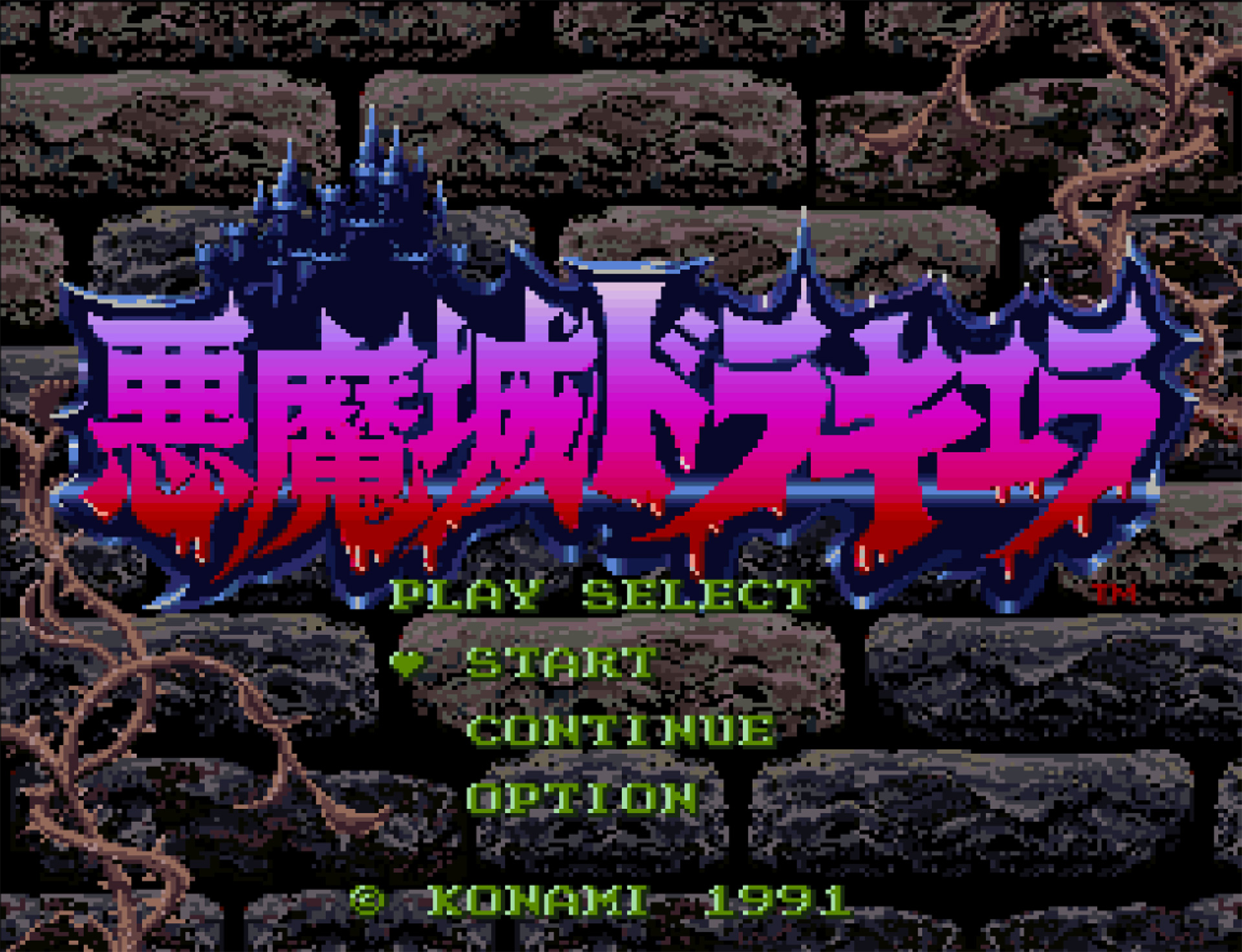
Konami Digital Entertainment releases Castlevania: Belmont’s Curse on October 15, 2026, for PlayStation 5, Xbox Series X|S, Nintendo Switch and PC. For readers outside Japan, the name on the box is the one they have known all along. In Japan it is not. There the series is Akumajō Dracula, and that is the name Japanese players grew up with. The Castlevania name has appeared on Japanese releases before, but Akumajō Dracula is the name the series has kept returning to. For this new game, Konami has put Castlevania on the Japanese cover as well.
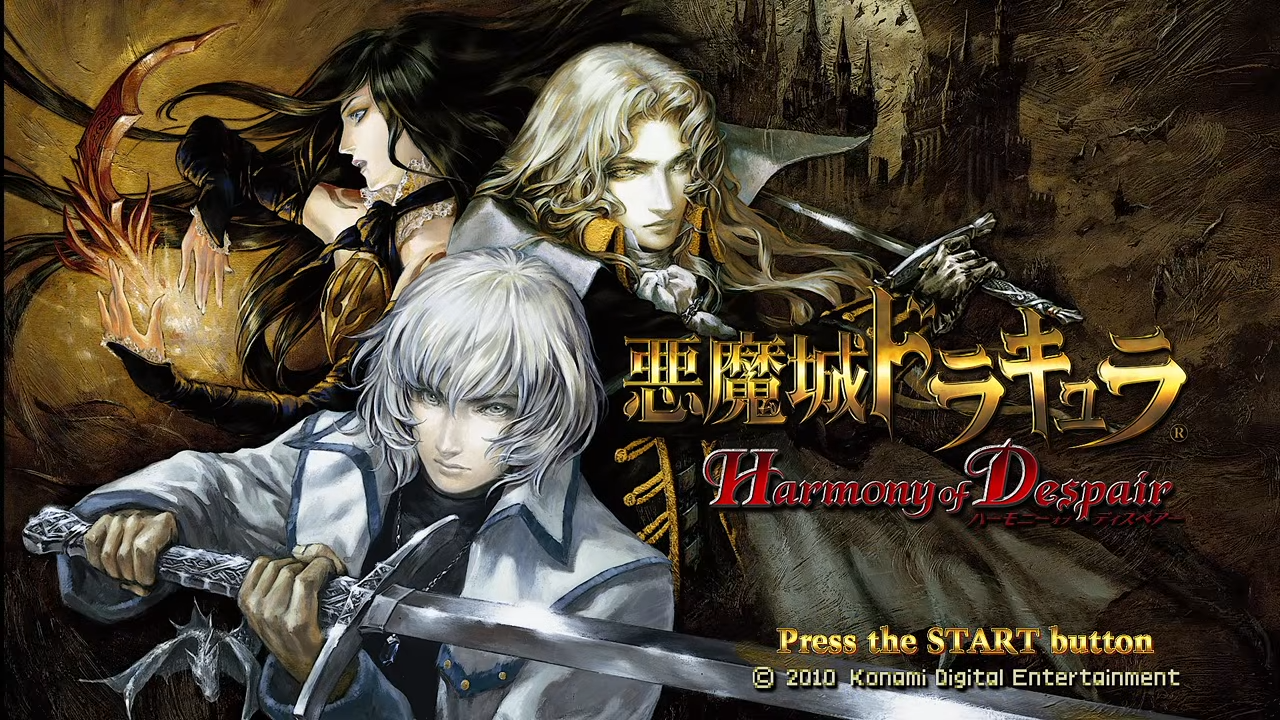
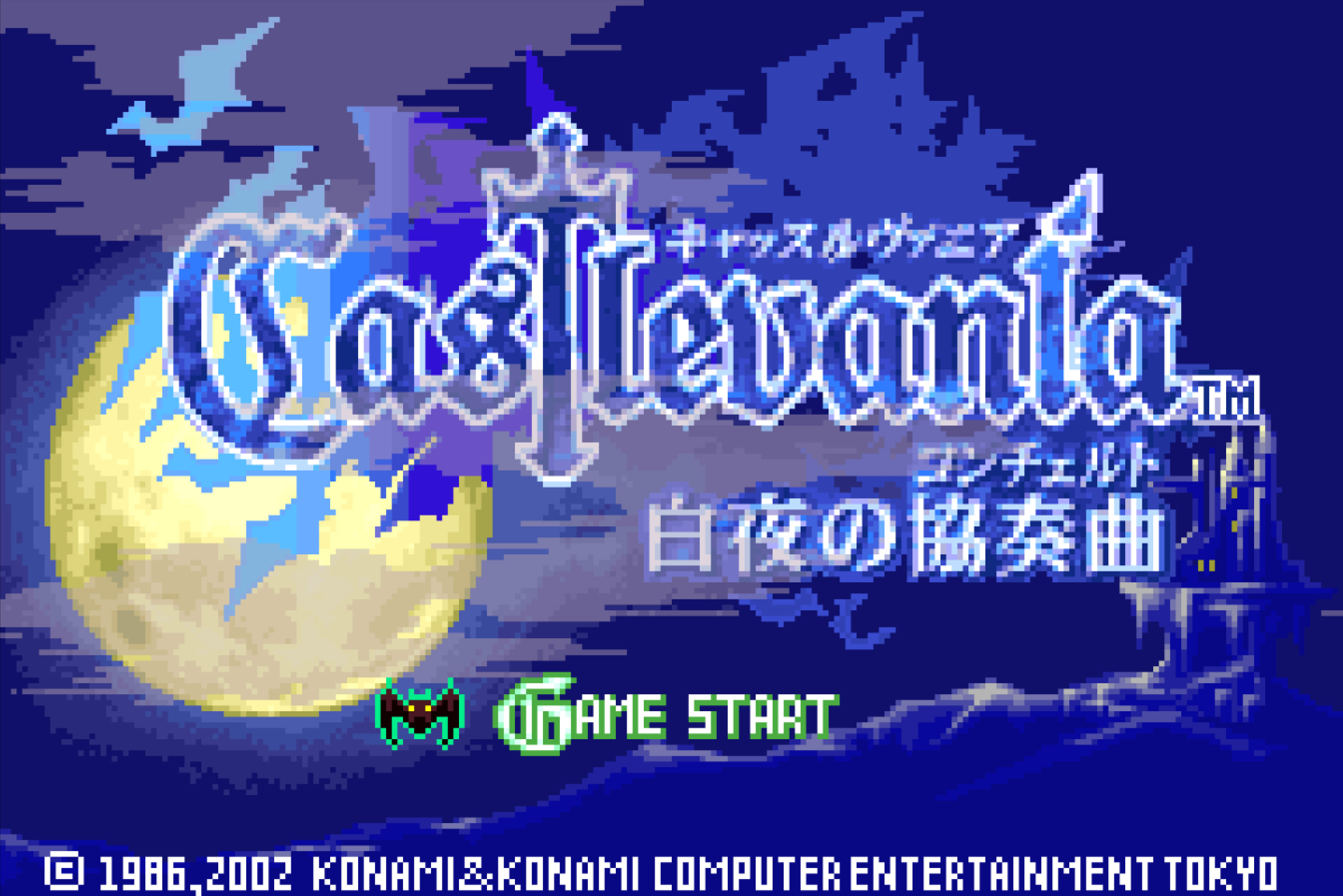
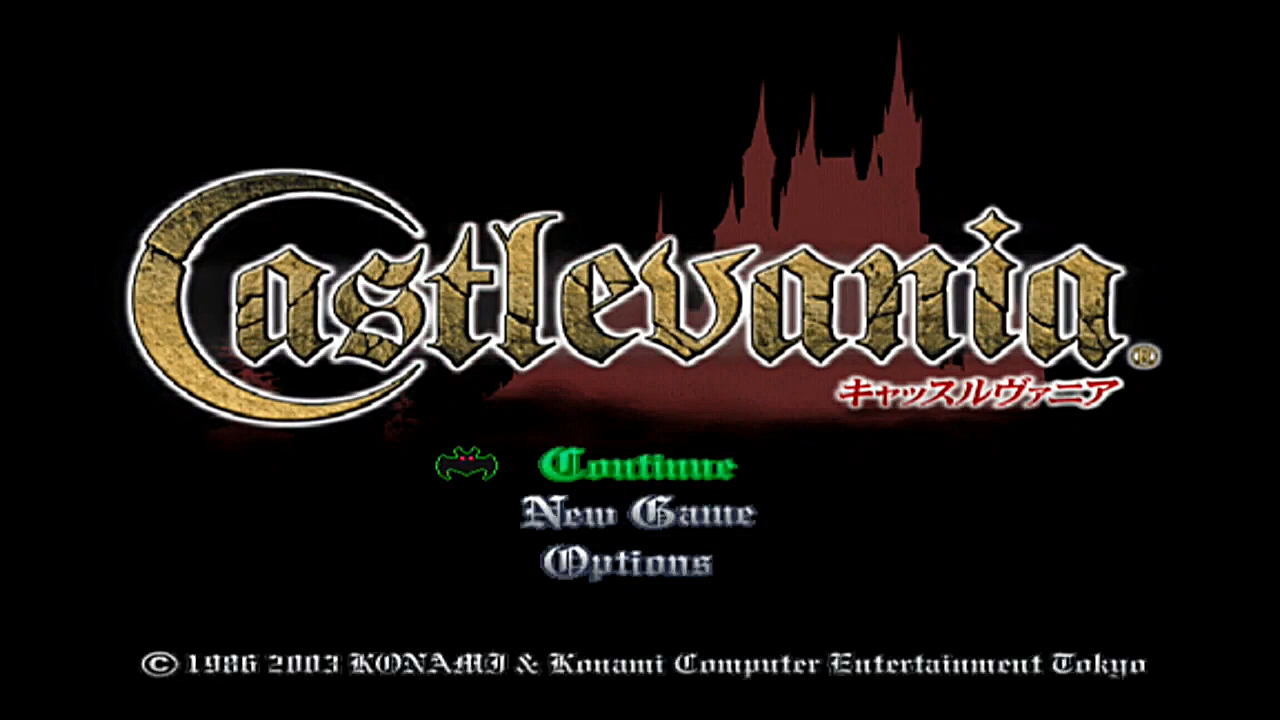
A long gap between new games
Producer Tsutomu Taniguchi has called Belmont’s Curse a new entry after a long stretch without one, and has said the project began half out of a sense of crisis: the number of people actually playing Castlevania had dropped. He has said that after he joined Konami he kept running into the same comments in fan communities and on social media. Some people liked exploration-driven action games but had never played Castlevania. Others watched the animated series without playing the games.
The route to a new game was built in stages: collections of the older titles, then a Castlevania add-on for Dead Cells, then this one. Releasing it, relaxing and coming back in ten years would miss the point, Taniguchi has said.
Konami’s producer has said he agonized over the name
Taniguchi has said he agonized over the decision to use the Castlevania name in Japan as well. He has said he really did, and that it was not his call alone: the whole team worked through it before landing there. He has also said that he himself is used to calling the series Akumajō Dracula.
What decided it, he has said, was how a title connects when information travels online. He wanted people who had never played the series to reach it, as much as he wanted the people already there to enjoy it, and he wanted anyone who looked the game up to be able to tell what it was. One name does that better than two.
Trevor Belmont, in Japan too
The same reasoning was applied to a character’s name. The character English-speaking players know as Trevor Belmont went by a different name in Japanese releases of the series: Ralph C. Belmondo. That is no longer the case. The Japanese site for Belmont’s Curse gives him the same name readers outside Japan already use. Taniguchi gives the same reason for that as for the title — how information reaches people, and how easily it is understood when someone goes looking.
Japanese audiences have already encountered that name outside the games. The Japanese dub of the animated Castlevania series, which began streaming in 2017, also used the name Trevor, and Ryotaro Okiayu, who voiced him in that dub, reprises the role in Belmont’s Curse.
Trevor is not the lead this time. The protagonist is his daughter, Rose Belmont, who carries Dracula’s curse in her right arm. Belmont’s Curse is set twenty-three years after Castlevania III: Dracula’s Curse. Her mother, Sypha Belnades, was afflicted with that curse in the fighting depicted in that game, and died soon after Rose was born. Trevor answers a call for help from Paris and travels down the Seine into the city with his daughter. In the Japanese version Yui Ishikawa voices Rose, Okiayu voices Trevor, Satoshi Tsuruoka voices Death and Naoya Uchida voices Count Dracula.
Made in France
The Dead Cells add-on is also how the two French studios came to work on Belmont’s Curse. Taniguchi has said Dead Cells: Return to Castlevania showed a deep understanding of the series, an affection for it, and meticulous attention to detail, all of which impressed the Japanese side. It grew well past what had been planned for it. One mode Konami had given up on turned out to be nearly finished: the studio said it had a surprise, showed it shortly before release, and there it was.
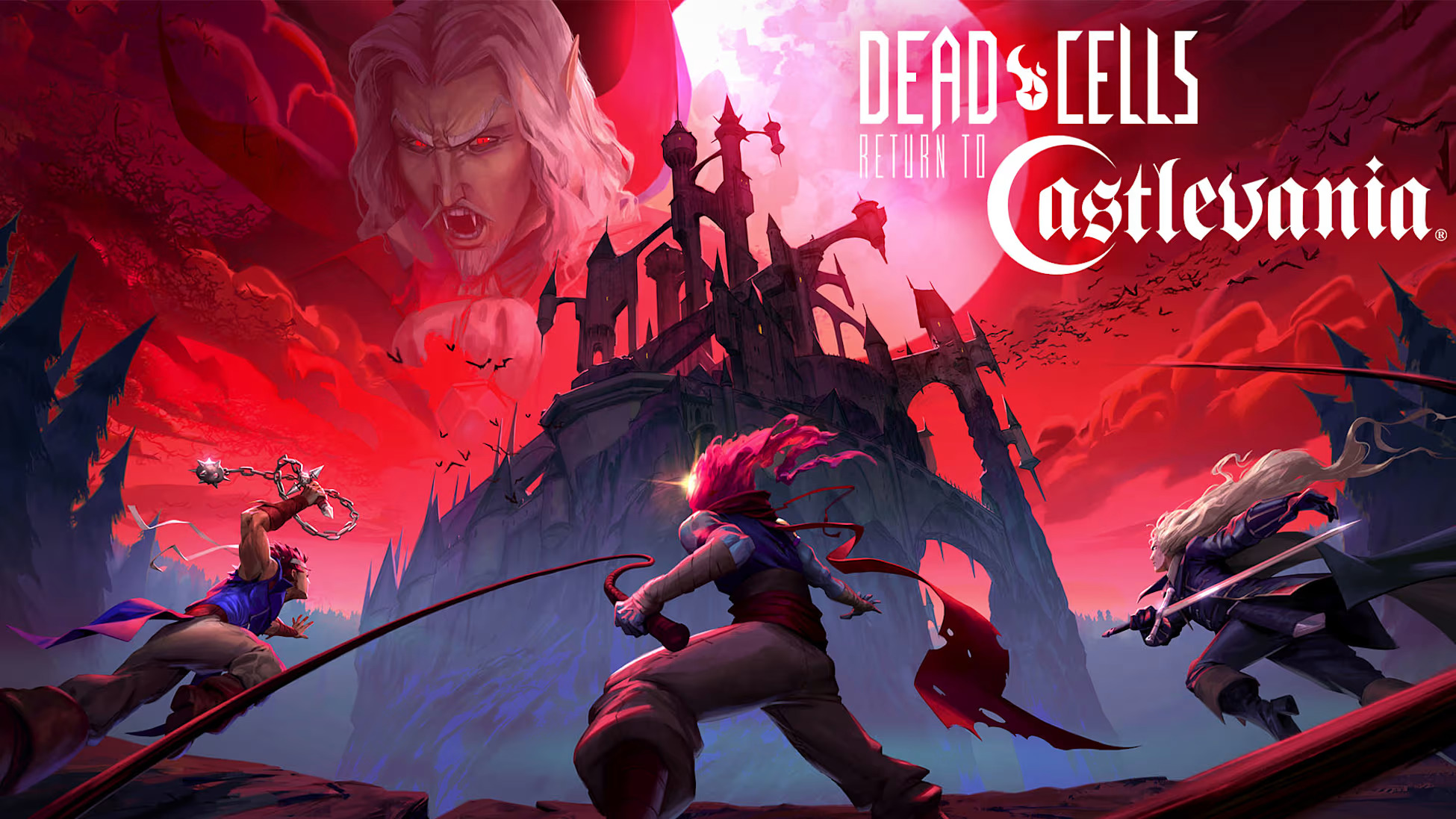
Belmont’s Curse is developed by Evil Empire and Motion Twin, both based in France, and published by Konami Digital Entertainment. Taniguchi is the producer and Yukiko Hokao is the director. At Evil Empire, Emmanuel Nouaille is creative director and Bérenger Dupré is marketing director.
Paris, 1499
The period came first. Taniguchi has said the team wanted Europe for the series’ return, and that Paris at that time had the Gothic architecture that suits the series’ tone. Whip movement needs a readable screen, so the team pushed contrast up while keeping the Gothic look. Nouaille has said the catacombs and Notre-Dame appear, and that legends attached to real figures, Joan of Arc among them, are worked into the game.
Dupré, who was born in France, has said the appeal was the contrast: a cathedral, a sacred thing, turned into the stage for the demon castle. He has also said, half joking, that he wanted to wreck Paris once.
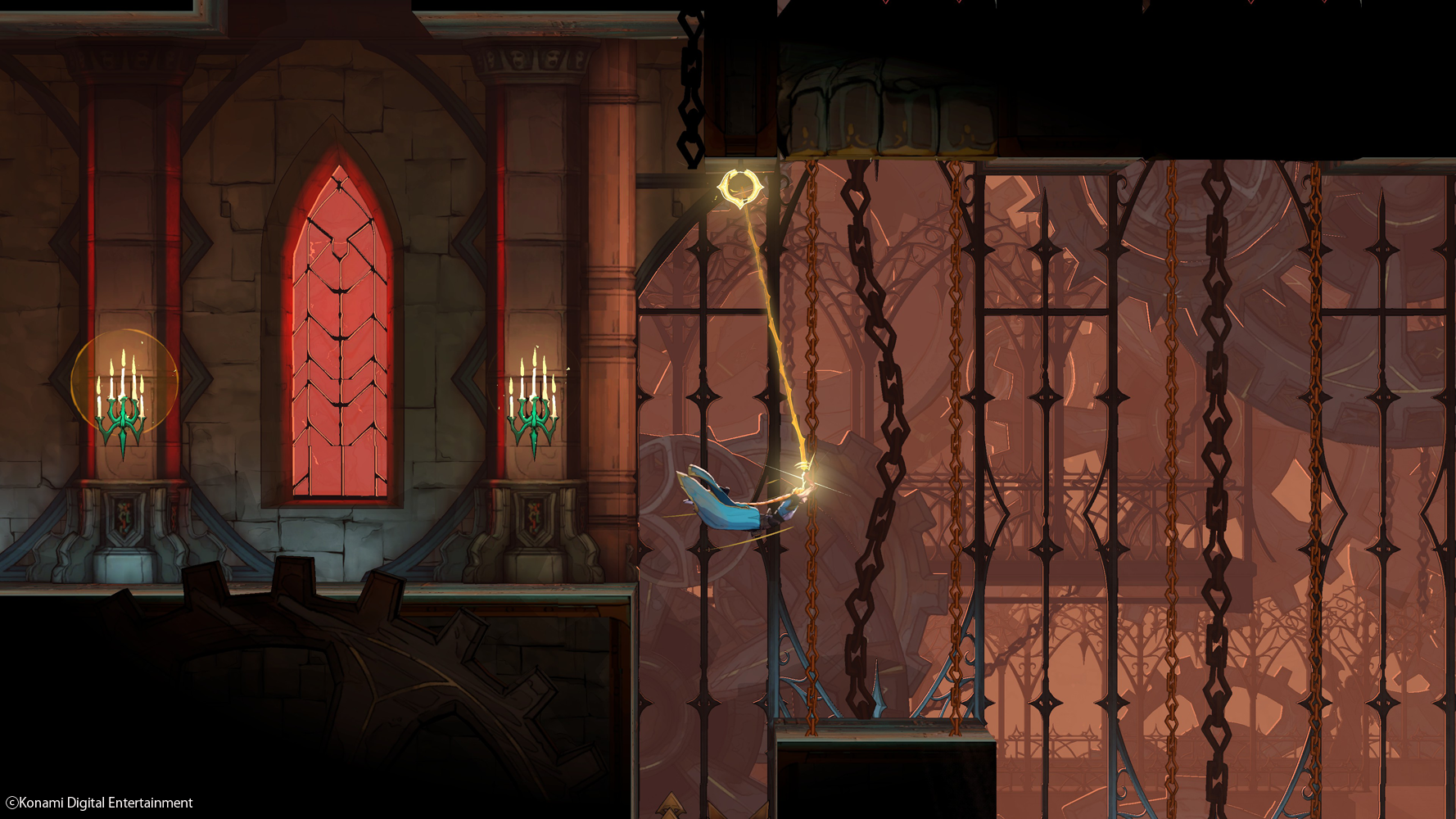
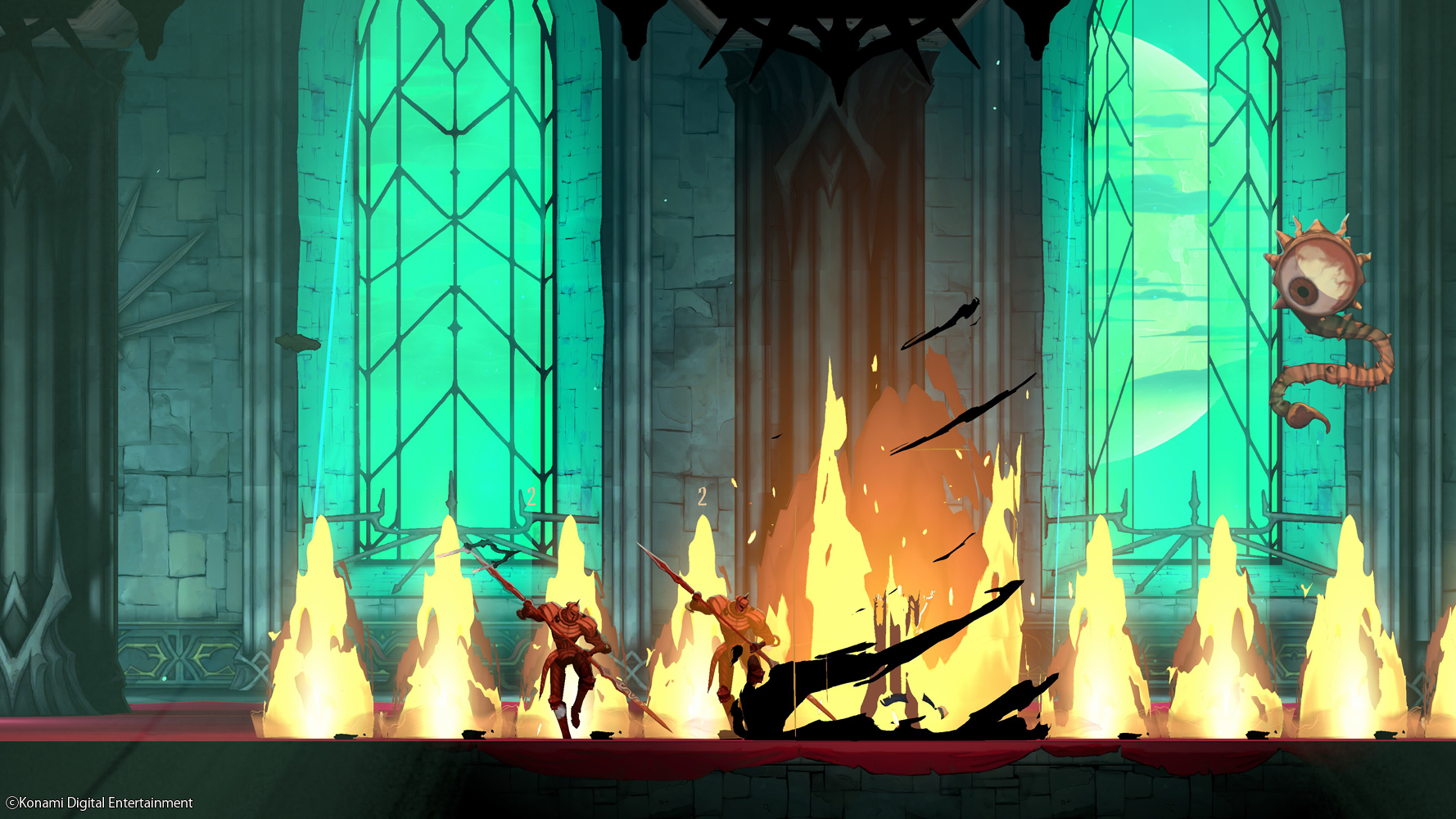
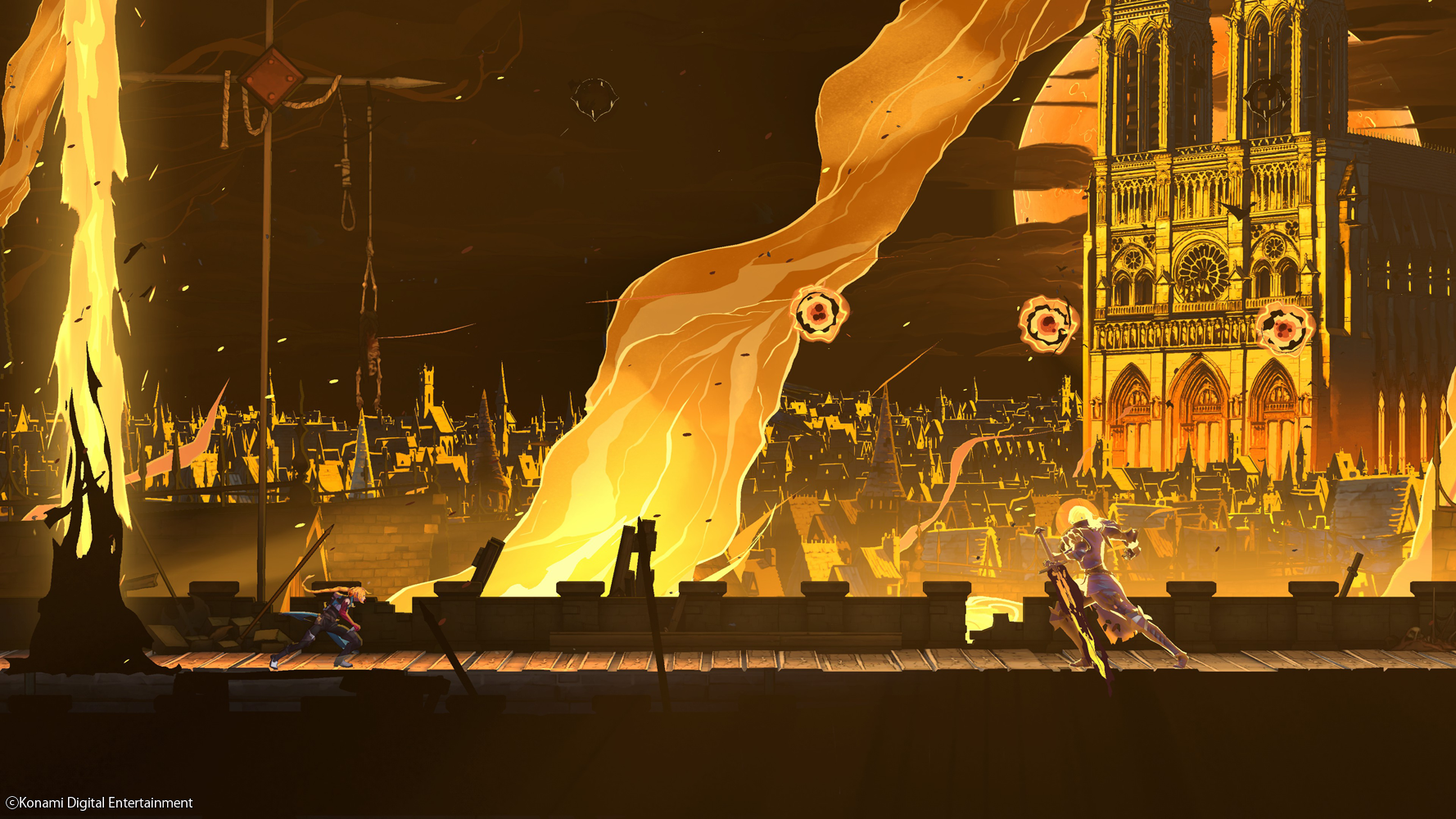
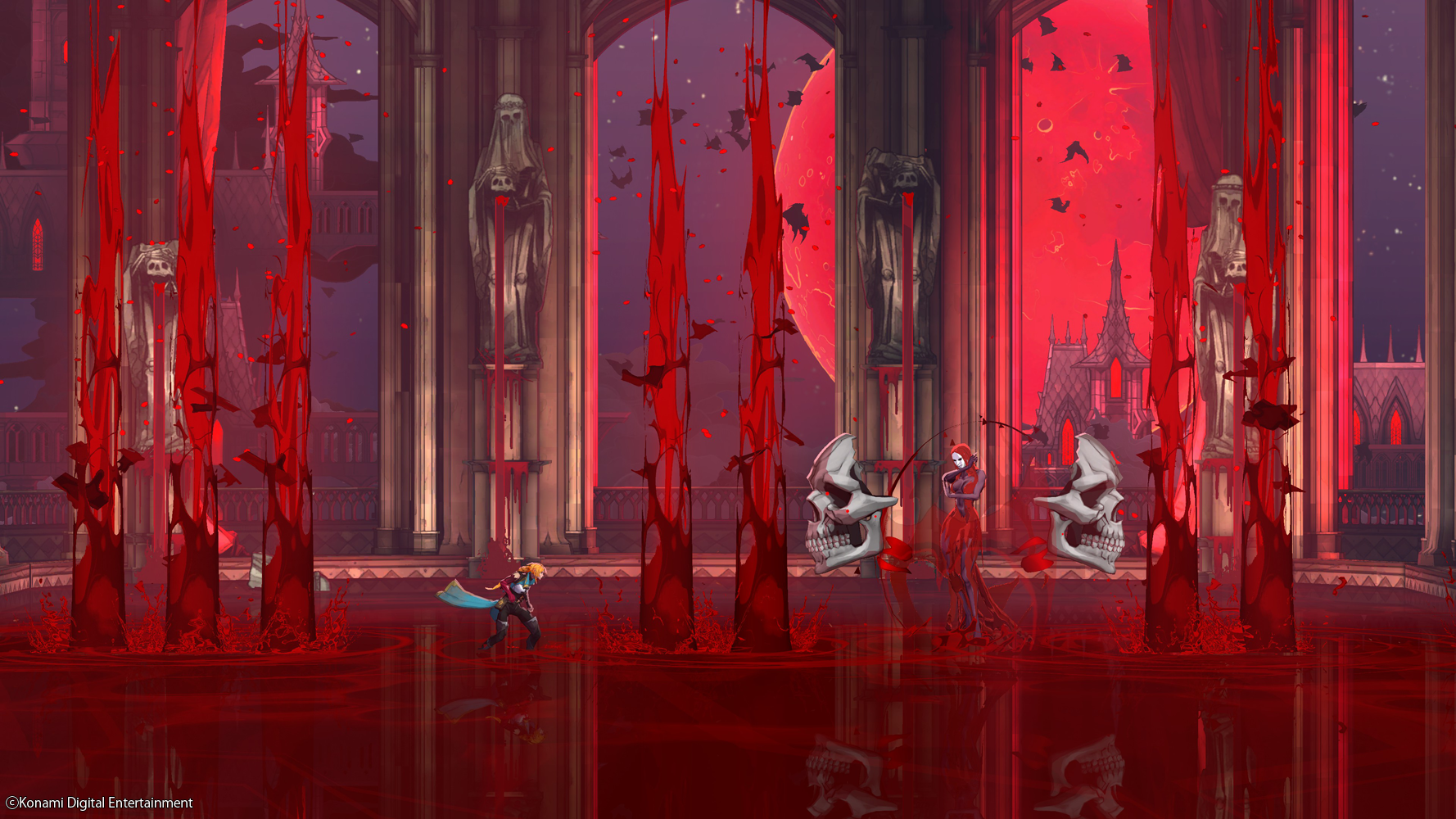
A female lead was not the starting point either. Hokao and Taniguchi have said it followed from building the world around Trevor’s daughter. Nouaille has said the curse passing from mother to daughter gave the protagonist a clear reason to act: she is avenging her mother.
The series’ own habits were added the same way. Candles drop items, broken walls give up meat, chandeliers fall. Hokao has said none of that was simply carried over: the two sides talked through what makes something feel like Castlevania, and put the pieces in from there.
The key art is by Katsuya Terada. Taniguchi has said the work is striking regardless of where the artist is from, and that it looks new while carrying weight and a sense of history at once, which fits the tradition-and-innovation idea the game is built on. That Terada has an audience in France as well as Japan was part of it too.
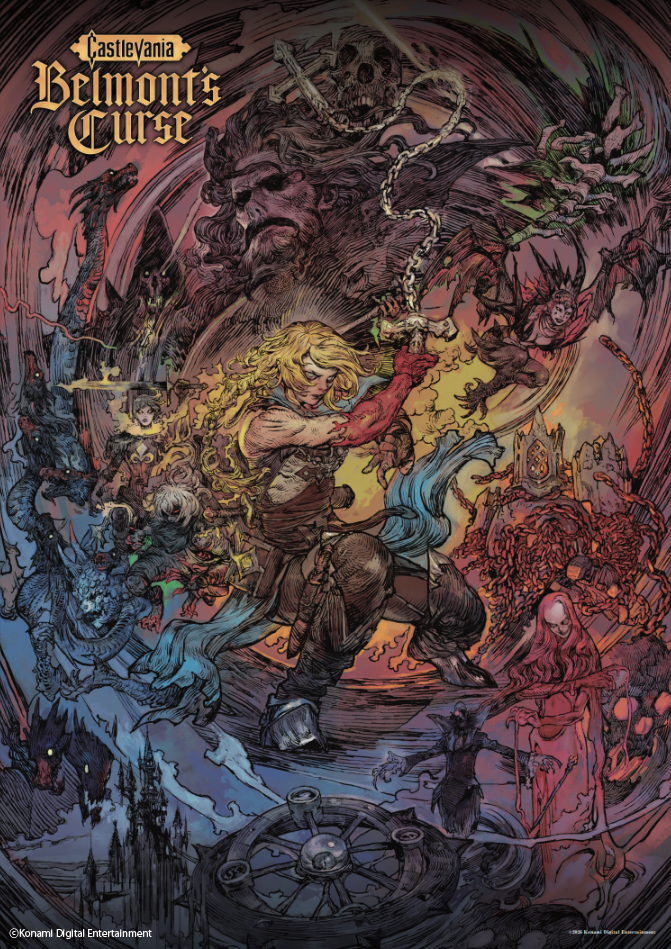
Castlevania turns forty in 2026, and Belmont’s Curse arrives on October 15. For readers outside Japan, the name on it is the name they already use. The change is in Japan: for the series’ return, Konami is using the name there as well.
Sources: Famitsu; the official Castlevania: Belmont’s Curse site (Konami). Compiled from Japanese-language sources.