 JAPAN GAMING & ENTERTAINMENT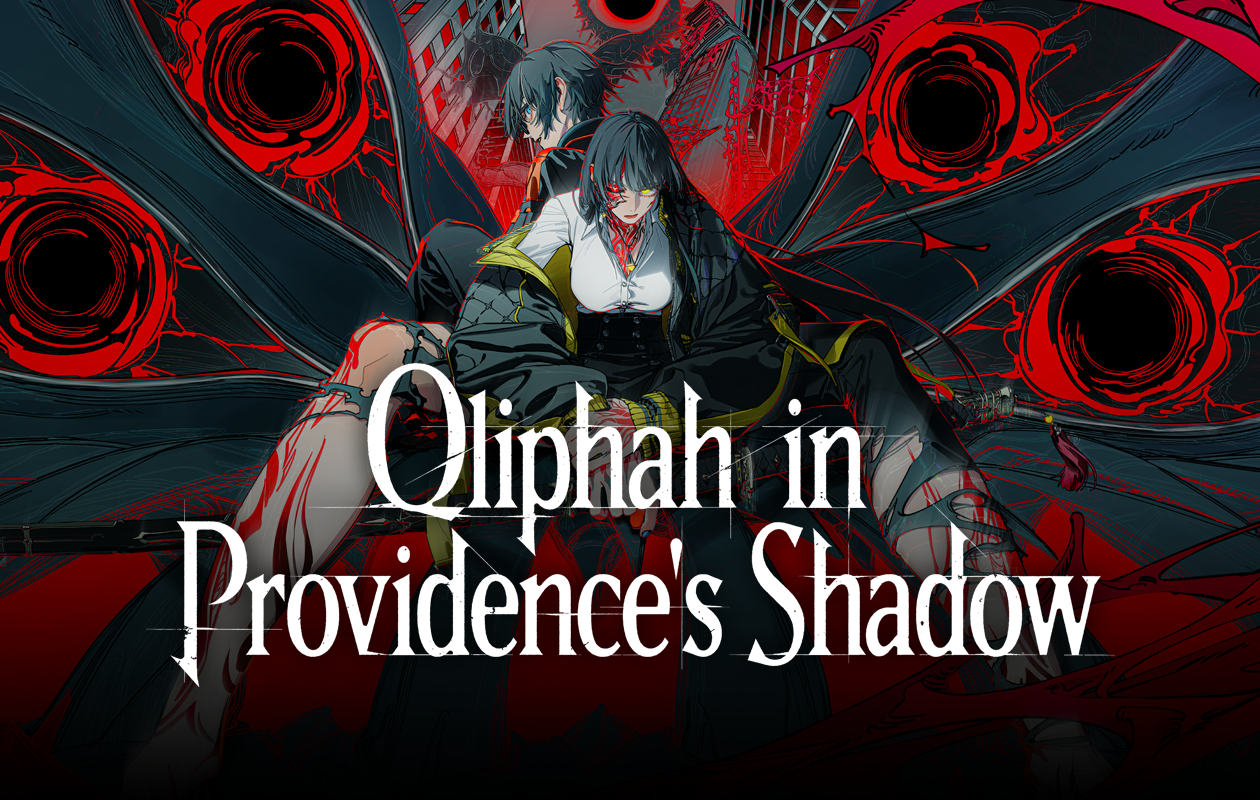
Read the enemy’s next attack before it lands, and answer it. That is what a fight in Qliphah in Providence’s Shadow asks you to do: land counters. The order in which everyone on the field will act — party members and enemies alike — is drawn out on a single line from the moment a battle opens, and the work is to drop a skill onto the right point of that line. The read is not a reflex test. It is a procedure, and it was built as one on purpose. Game designer and director Satoshi Hirayae has said he wanted the aggressive read-and-react play of a top-level competitive player to be something anyone could pull off, and his solution was to let players stop time.
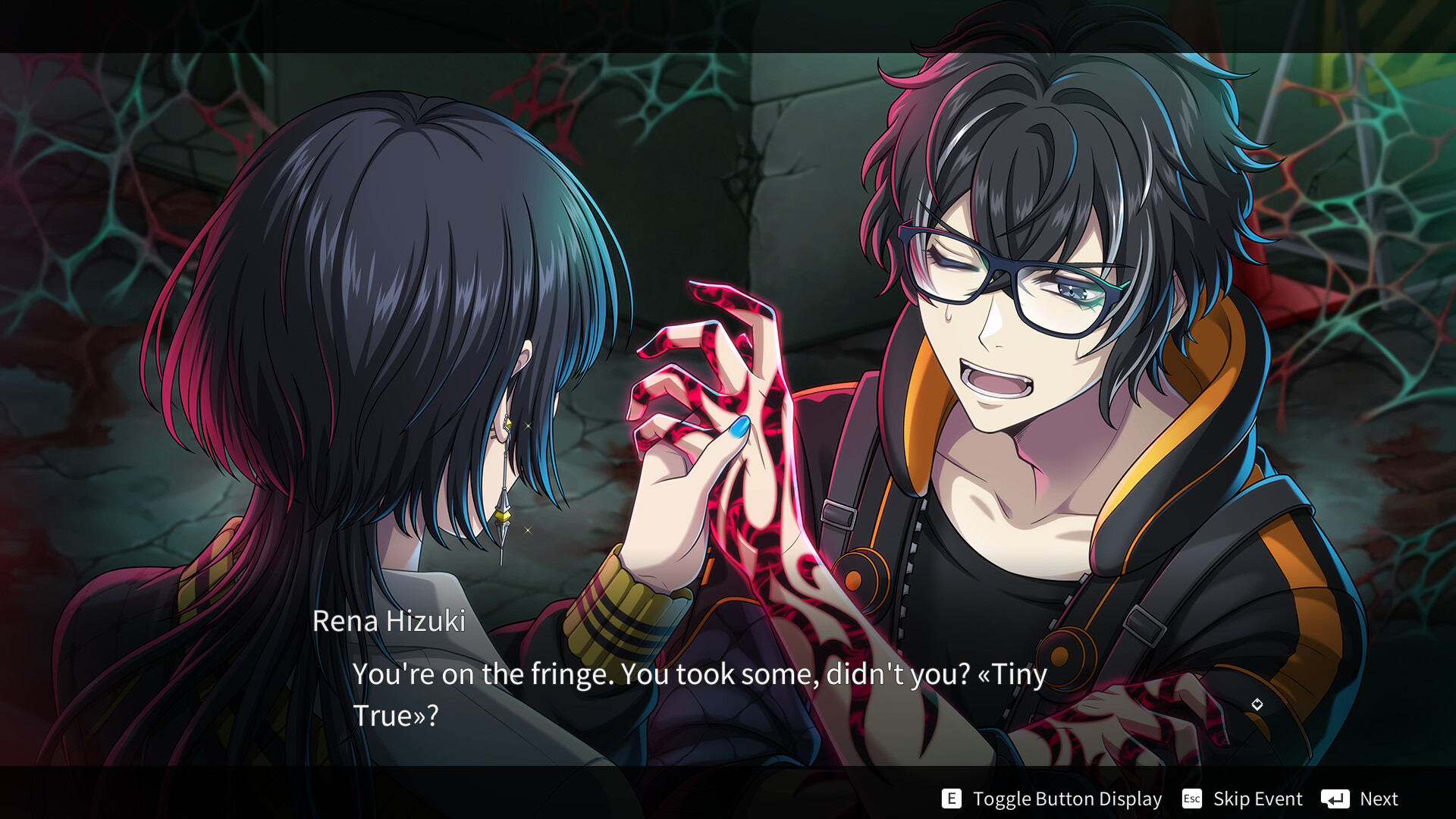
The release date is September 24, 2026, on PlayStation 5, Nintendo Switch, Steam and the Epic Games Store, with English text; the voice track is Japanese only. Arc System Works is publishing, and the game is a joint development between UnitePlus and Arc System Works. It is set in Tokyo after the World Collapse, and the two protagonists announced so far are Soma Hoshigami and Rena Hizuki. The genre line on the official site reads Tactical Counter Timeline RPG. It is an odd string of words, and each one is a plain description of what happens in a fight: tactical, counter, timeline.
What the player actually does
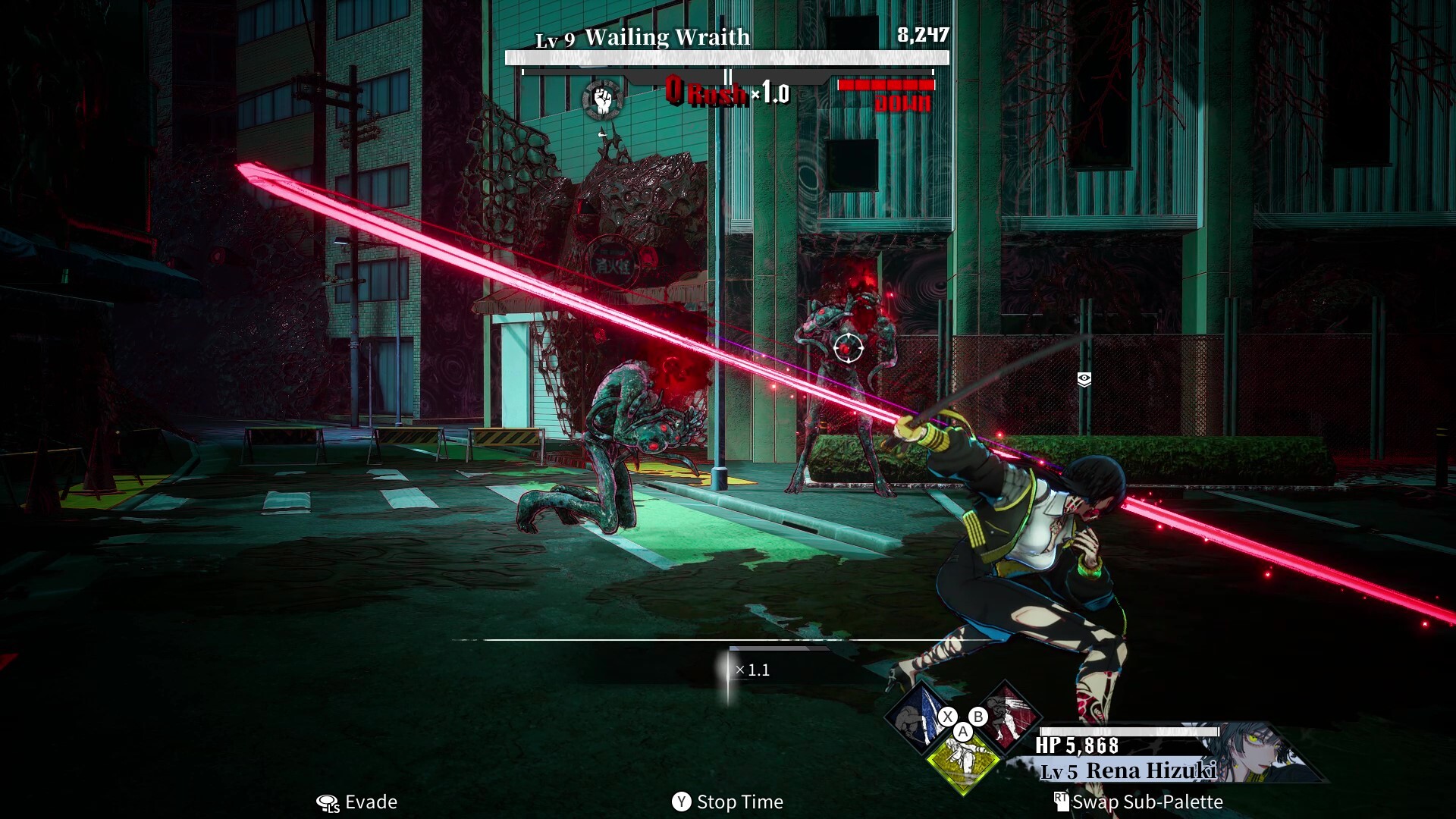
The line is the Timeline. Every skill about to be used, the party’s and the enemy’s alike, sits on it in the order it will go off. Who acts when is known before anyone acts.
From there, three things. Read the order. Pick a counter skill. Lay it over an enemy action already standing on the line, at the same point in the order, so the two meet.
The colors decide whether it works. Enemy skills on the line are marked red, blue or yellow, and so are the party’s counter skills; laying the same color onto the same slot is what makes a counter fire. Which enemy to answer, and where along the line to answer it, are worked out entirely from what the line is already showing. None of it has to be guessed at.
Each counter skill also carries a cooldown. Fire one before it has recharged and both its damage and the range it can counter shrink, so which skill goes out, and in what order, matters as much as which color it is.
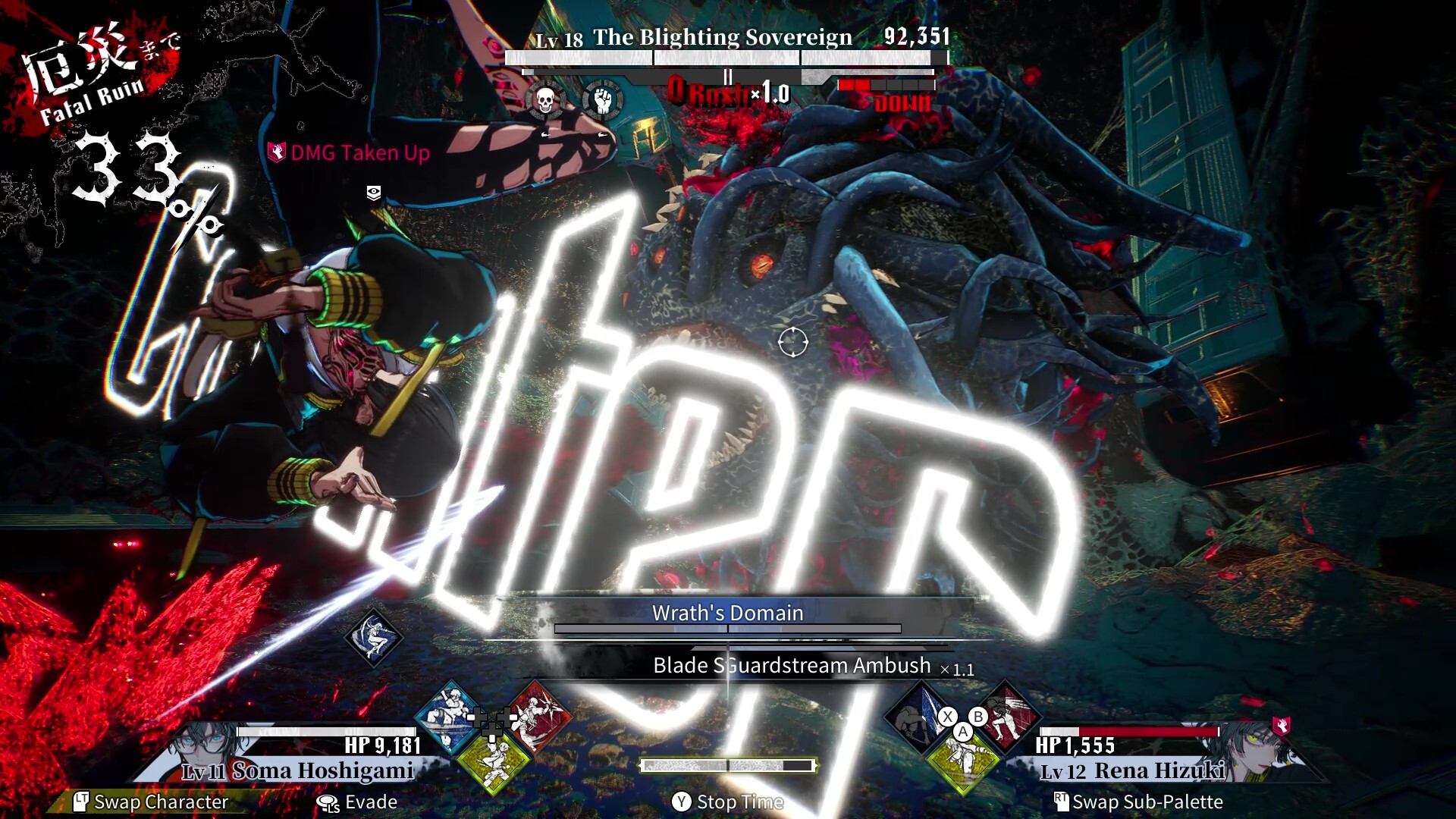
A counter that lands knocks the enemy into the air, and the party can keep hitting it there. Enemies that carry a down gauge see it drain, and anything that connects while they are down lands as a critical — the opening a finishing special move is saved for. Bigger enemies do not fold that easily: some of their attacks come out in multiple hits that a single counter cannot cover, and some can only be answered by swapping between the two protagonists mid-exchange, a buddy counter.
Stop Time takes over the speed half
Read-and-react play at a high level works in two parts. The player works out what the opponent is about to do, then responds before it lands. That needs a fast read and fast fingers, and both have to arrive at once.
Qliphah in Providence’s Shadow substitutes something else for each of those parts. The material for the read is on the Timeline from the first second of the fight. The speed is handled by Stop Time: freeze the fight and there is room to check the order, match the color and settle on where the answer goes. The half a player normally has to supply in person — the hands — is the half the game takes off the table. By Hirayae’s account, that turns the same exchange into a procedure rather than a test of reflexes.
He has named two things he was aiming at behind that. One is the strategy of a command battle — the format where attacks are chosen from a menu. The other is the rush of an action game. The goal was to combine both within a single combat system.
A thorough tutorial, and a difficulty you can lower
A system built this way gets complicated, and that is the part Hirayae has singled out as the difficult one. What went in to answer it was a thorough tutorial and a difficulty setting. How fast the machinery has to be learned, and how hard the fights push back, can therefore be adjusted to suit the player.
It began with occult battle manga
The background to the combat comes from a hands-on report and an interview with Hirayae that 4Gamer ran in September, a few weeks out from release.
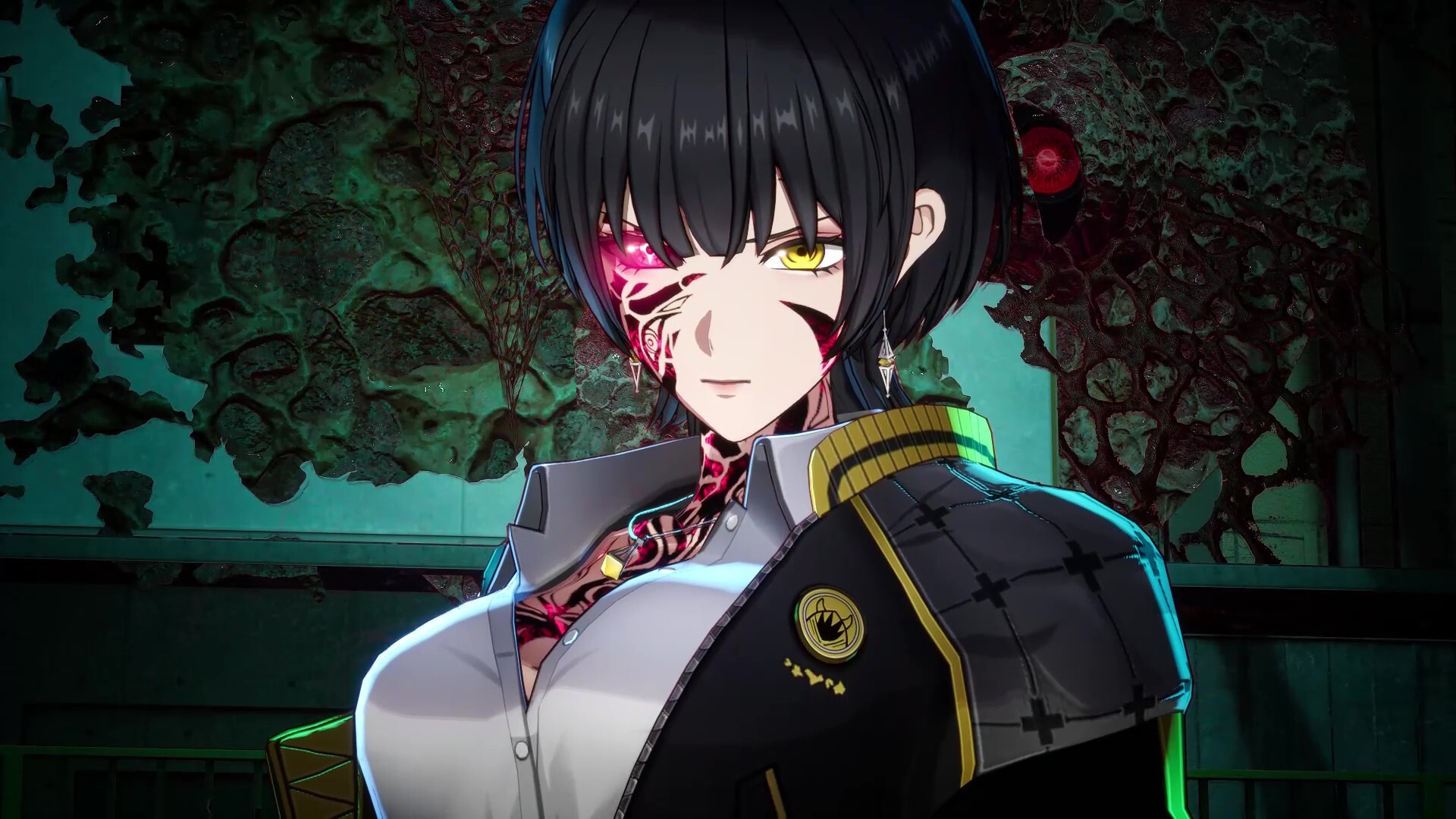
Japanese manga and anime carry a long-running strain of stories about people fighting with supernatural power — occult battle stories. The project itself started from a pitch to turn that kind of world into a game, Hirayae has said. What the team went after was a game with hard edges in both its look and its systems, something with a heavy texture to it, and the priority he has described as standing above everything else in development was holding the distinctive visual style and the new battle system together.
The game was revealed in June 2026 at the ARC SYSTEM WORKS Showcase 2026, Arc System Works’ own broadcast, with an English trailer shown at the same time. Steam preorders followed that same month. The reveal came about three months before the game’s release.
The only thing left to decide is where it goes
The line already says what the enemy is about to do. What is left is choosing which color goes where. And the time it takes to decide that is time you can make for yourself, by stopping the clock.
Sources: the official Qliphah in Providence’s Shadow site (Arc System Works), 4Gamer, Steam. Interview material translated from the Japanese.