 JAPAN GAMING & ENTERTAINMENT
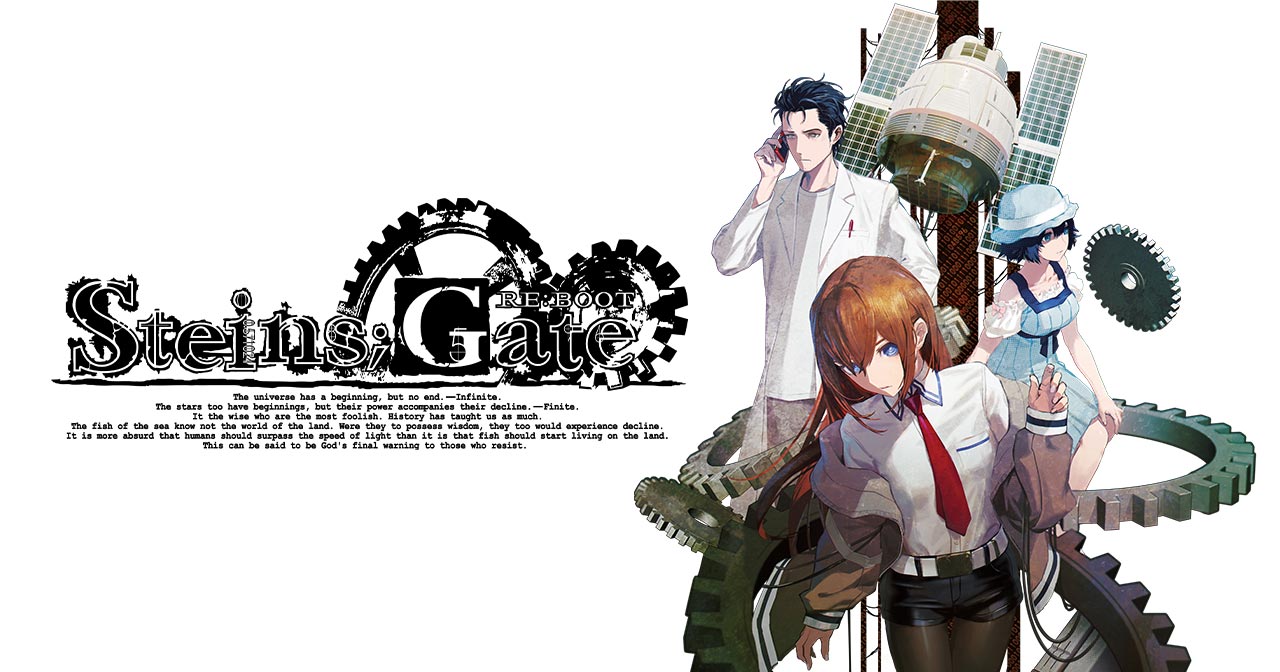
The time machine isn’t finished, and there is no way yet to send an email that changes the past. When Rintaro Okabe runs to the lab for help, his own lab members meet him with hostile stares. This branch of history, the Gamma (γ) worldline, was not in the 2009 STEINS;GATE. STEINS;GATE RE:BOOT, the remake of that game, adds it along with a new ending.
The Nintendo Switch 2, Nintendo Switch, PlayStation 5 and Xbox Series X|S versions launch October 29, and the Steam version has been out since August. On-screen text is available in English, and the voice acting is in Japanese.
The art and sound were rebuilt as well. Characters, backgrounds and event stills (the full-screen illustrations shown at key story moments) were all redrawn from the line art up. There are about twice as many stills as in the original, and about 1.2 times as many backgrounds. The Japanese voice acting was re-recorded from beginning to end, and every piece of music was remade. The opening theme is the same song as in the original.
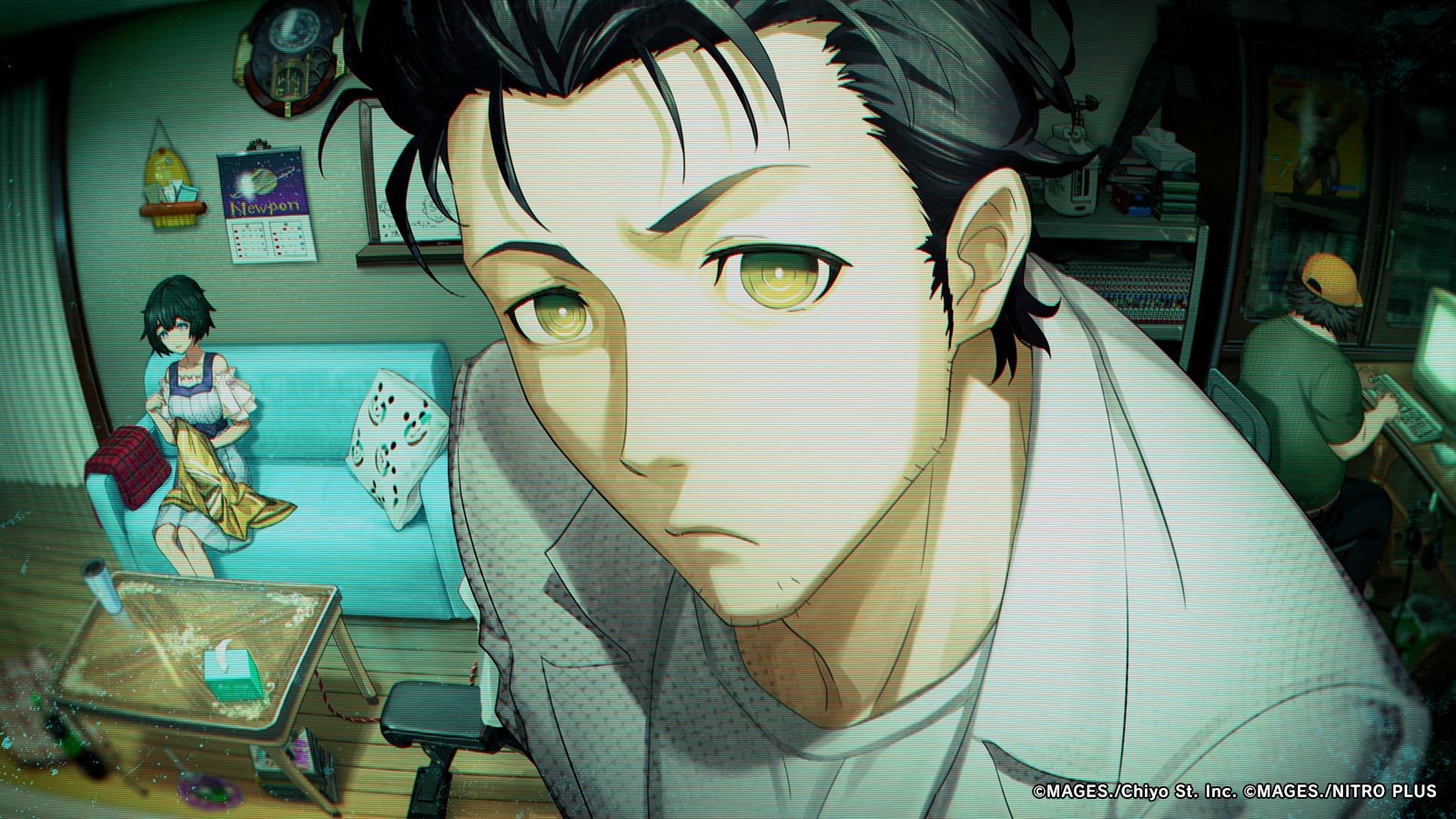
When the phone rings, do you answer or ignore it?
RE:BOOT is a single-player adventure game with an estimated playtime of 30 to 50 hours. Its branching points never show up on screen as a list of choices. When a call or a message arrives on the in-game cell phone, you use the phone yourself and decide whether to answer, reply or ignore it. How you handle it changes what happens next, and which ending you reach. The official name for this is the Phone Trigger System.
The phone belongs to Okabe, a university student who runs an invention club in Akihabara called the Future Gadget Laboratory. The club’s newest invention turns out, by accident, to be a device that can send email into the past. In the story, these past-changing messages are called D-Mails.
Can you jump in without knowing the original? The scenario writer says RE:BOOT turned out to feel fresh both to people who have never played the original or have only watched the anime and to fans who know it inside out.
What was redrawn, and what was kept?
Character designer huke drew every character from scratch, supporting cast included. Outfits and accessories got new designs too, and a system called E-mote animates their facial expressions and breathing. In an interview, the producer says some shots deliberately keep the original’s composition, but most stills have different compositions and appear at different points in the story.
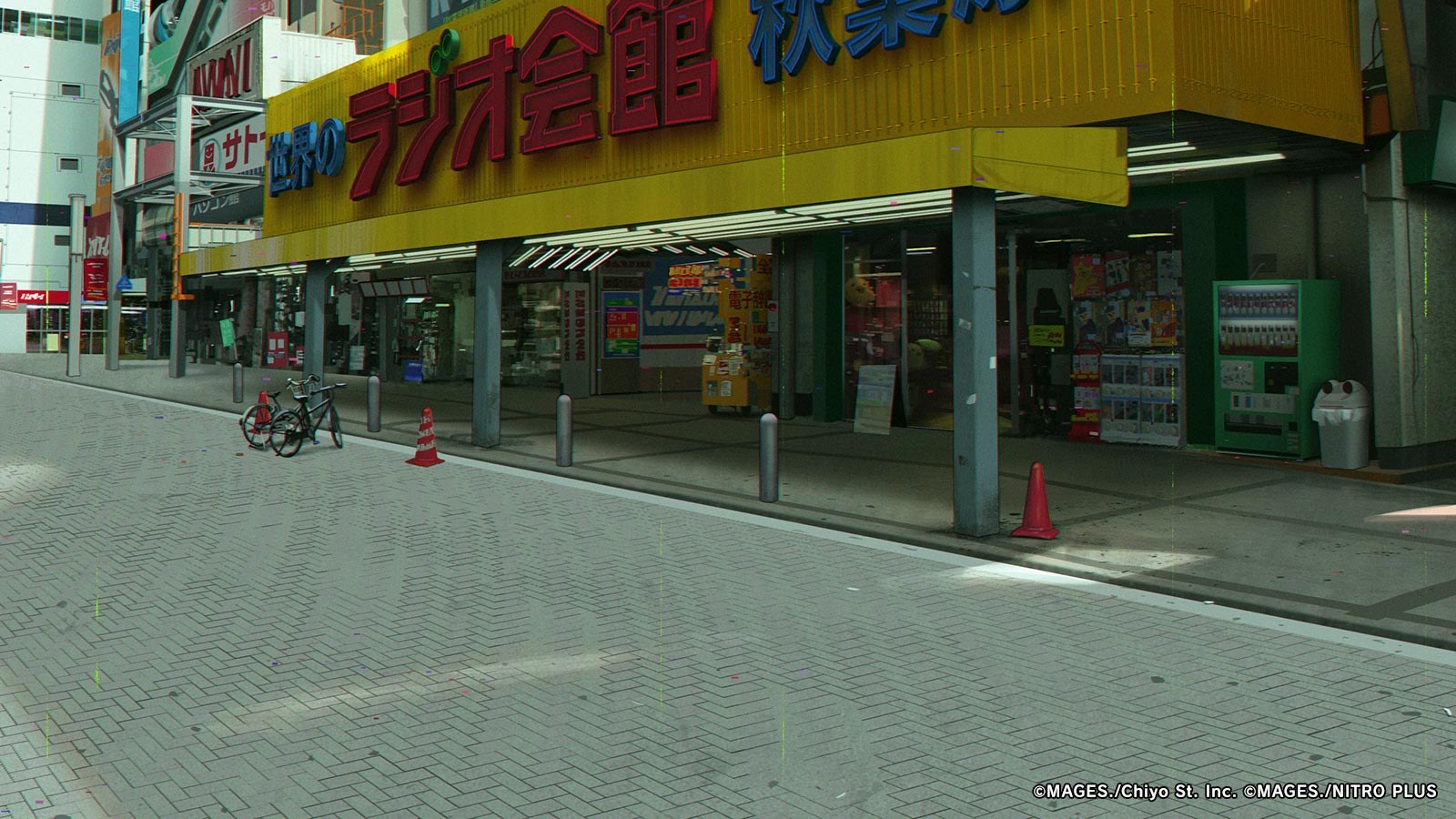
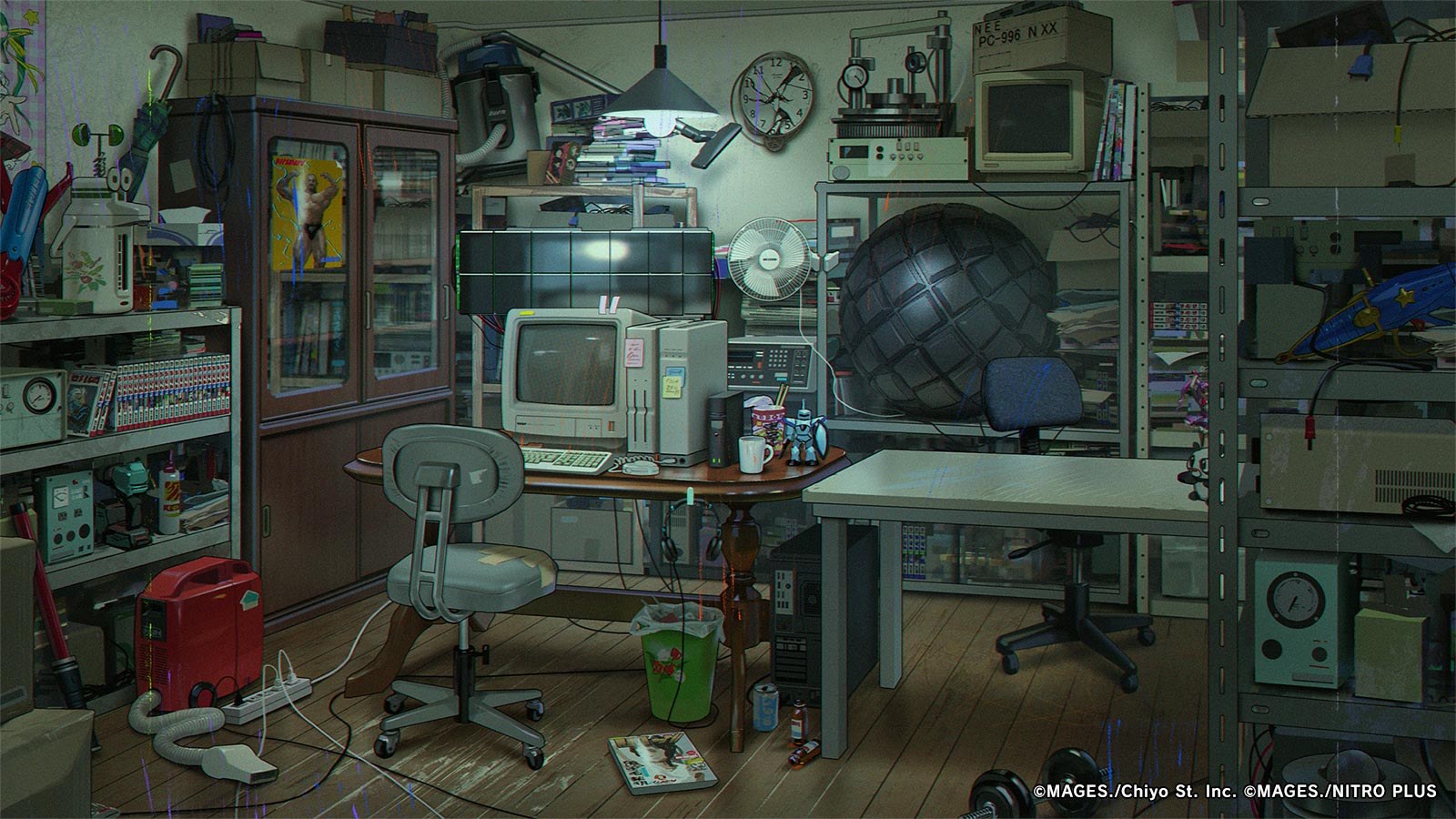
The backgrounds depict Akihabara in 2010. The development team says it recreated the streets by hand, working from photos taken on two earlier research trips there. A complex background took about a week, and even a simple one took a day or two.
The scenario is built on the one from STEINS;GATE ELITE, the 2018 version. The pacing was tightened to make it easier to read, and new dialogue and narration were written in. The producer says development was far harder than expected, partly because of the multilingual support.
What happens in a worldline where Hououin Kyouma is never born?
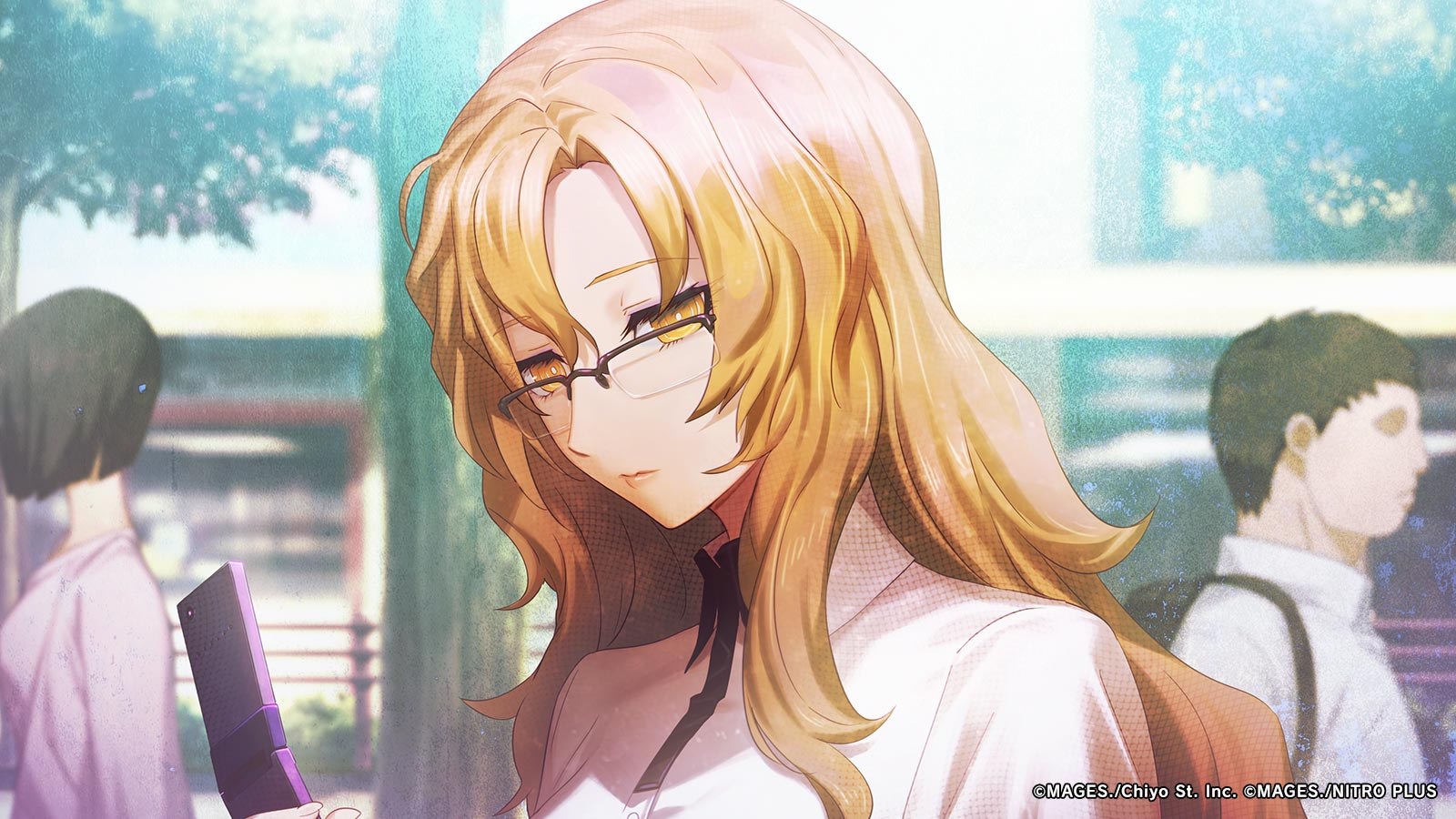
Okabe is sent into the Gamma worldline only after going through brutal situations again and again. In this worldline, “Hououin Kyouma” is never born. Okabe gets his hands dirty alongside Moeka Kiryu, one of the characters from the original game.
According to the scenario writer, a what-if story about Moeka had been told before, as a self-contained episode on a drama CD (an audio-only drama release). This time it is an official Moeka ending that branches off the main story. As a result, the writer says, it became a much harder and denser story than the one on the drama CD. The writer also says many fans had been asking for a Moeka ending for a long time.
The ideas for a new route even included a joke about something like a harem ending. It would have broken the game’s atmosphere, so it was shot down right away, the developers say.
Can you reach the ending without a walkthrough?
According to the producer, the original STEINS;GATE is very hard to finish without a walkthrough. For RE:BOOT, the aim was to bring back that same demanding difficulty.
To offset that, RE:BOOT adds a new system called Observer. During play, you can open a flowchart of the worldlines that maps out how the story branches. The producer says Observer was included as a hint system, so players can aim to finish the game using only in-game information, and recalls that building it was incredibly hard.
Even players who know the original inside out will be taking the path to the Gamma worldline for the first time. With the in-game flowchart as a guide, that path looks like one you can track down on your own.
The October 29 editions and the 8-bit game that comes with them
The Xbox Series X|S version was first set for August 20, the same day as Steam, but it now launches October 29 with the other consoles. Physical editions, including a SteelBook edition, are coming to Switch 2, Switch and PS5. The Digital Deluxe Edition, sold as a download, adds a digital VISUAL COLLECTION, a soundtrack and a live concert video with English subtitles.
On Switch 2, Switch, PS5 and Steam, the Digital Deluxe Edition also includes STEINS;GATE Octet of Shifting Space, an 8-bit adventure that reworks the original’s 2011 PC version to look like a 1980s computer game. It is played with a keyboard and supports both the on-screen software keyboard and a USB keyboard. Players who pre-order the Digital Standard version for Switch or Switch 2 on Nintendo eShop also get it, as do players who buy the main game on Steam by 11 a.m. Pacific Time on November 30.