 JAPAN GAMING & ENTERTAINMENT
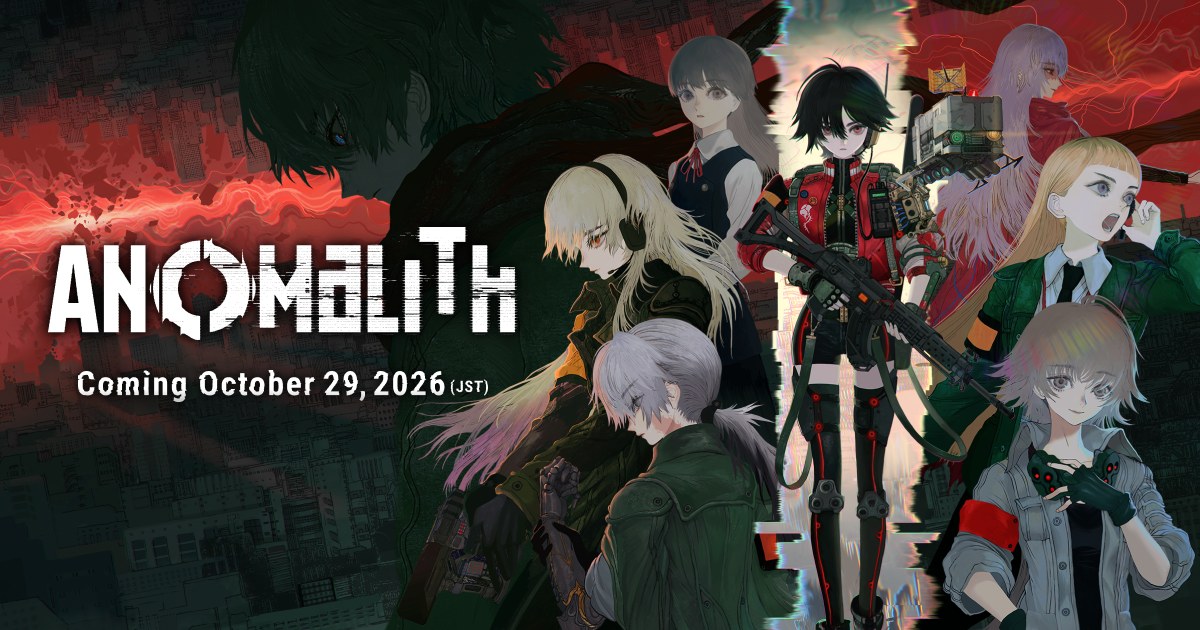
Picture a Japan where Showa, the name of the country’s calendar era, didn’t end in its 64th year and kept going. In that Japan’s Anomaly Zones, gravity flips inside apartment complexes, corridors warp, and shopping streets keep multiplying. The starting point for that image, the developers say, was The Backrooms.
ANOMALITH, from FURYU CORPORATION, is an over-the-shoulder shooter: you dive into those zones, count your remaining rounds as you fire, and haul what you’ve picked up while you look for the exit. It is a single-player game, out October 28 on PS5, Nintendo Switch 2 and PC (Steam).
The Steam version supports English for the interface and subtitles, and the voice acting is in Japanese. A free demo is out now on Steam. On PlayStation Store, the digital deluxe edition comes with 48 hours of early access.
What do you do on a single dive?
You play a Diver, an investigator for a government agency, sent into the zones. A radar on screen points you toward nearby items you haven’t collected yet and shows how far away they are, and a scan reveals where materials are.
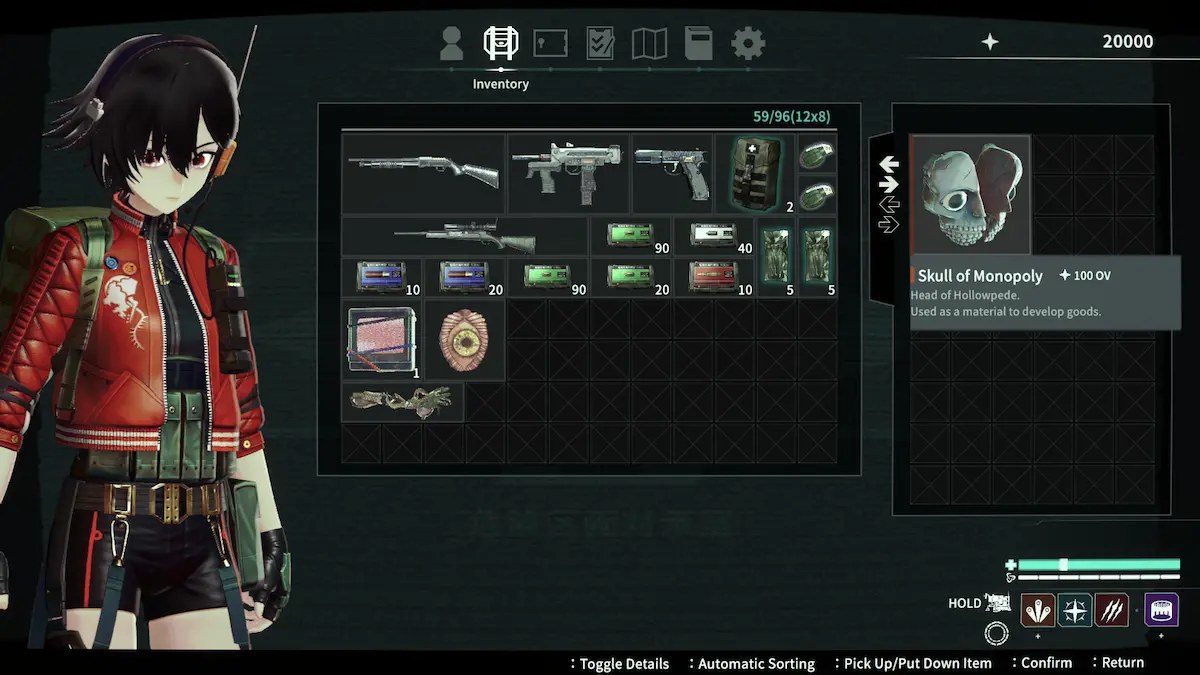
You pick up materials and ammo, but you can only carry so much. You decide what to bring back, and you find the exit on your own. At base, the materials you bring home go toward developing weapons and gear, and that’s also where you restock ammo.
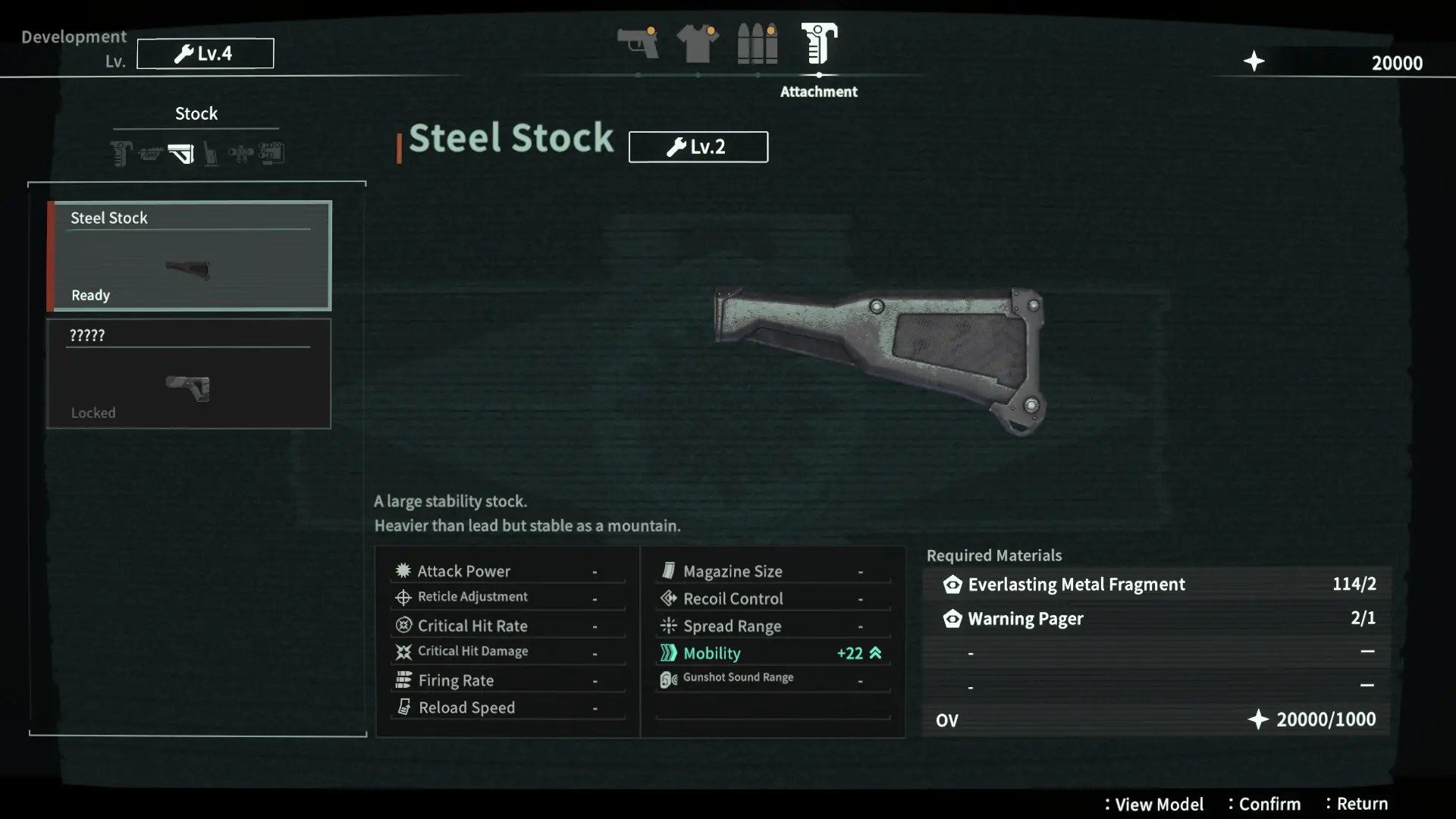
Each class of gun, from handguns to shotguns, has several models, and swapping parts such as muzzles and sights helps keep recoil down. Outfits can also be equipped purely for their appearance, without changing performance.
How do you get through gunfights without a dodge?
There is no emergency dodge. You rely on managing your distance from enemies and timing your reloads. Humanoid enemies go down efficiently if you aim for the head. Ammo is hard to replenish, so you shoot sparingly.
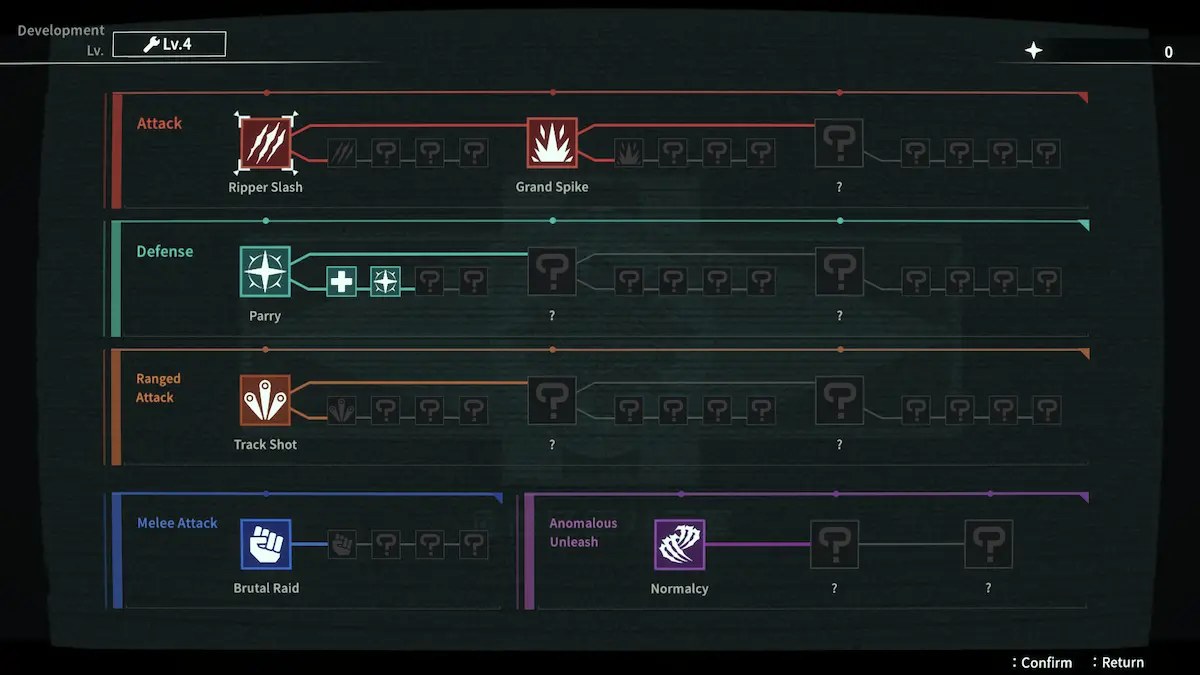
That’s where Anomalization Skills come in. They include a parry, homing shots and a decoy, and every one of them runs on a dedicated gauge. That gauge refills when you shoot enemies with your gun. Use a skill to gain an advantage, shoot to refill the gauge, then use a skill again. Land a parry, and the enemy is left defenseless for a set time.
With no dodge and ammo this limited, each move in that loop, shooting to refill the gauge and parrying to create an opening, looks likely to carry a lot of weight.
The boss built as an early wall hits you and then pulls away, so chipping at it bit by bit while you run doesn’t work well. In a hands-on preview conducted by a Japanese gaming outlet in May, the boss fight on the shopping street map took about 10 minutes.
Difficulty ranges from a story mode for people who aren’t comfortable with action games to a survival setting where a single hit means game over. On hard and above, parts of the map randomly seal off, and events can trap you in a closed space surrounded by large numbers of enemies.
Why Showa, and why the Backrooms?
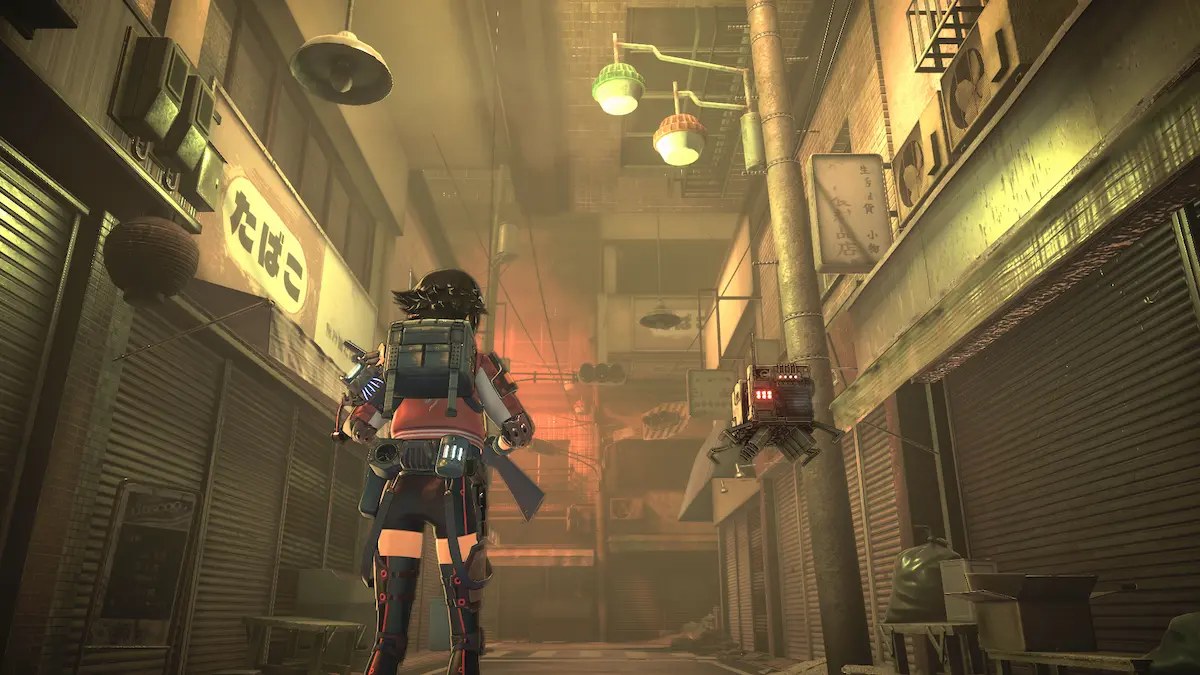
FURYU’s producer says they had long been a fan of liminal spaces like the Backrooms. But a standard horror approach, the producer thought, would get buried, so to avoid competing head-on with Resident Evil, the producer paired it with Showa-era retro. The aim, the producer also explains, is eeriness rather than fear.
The world takes inspiration from SCP as well, according to the producer. Enemies with traits similar to well-known SCPs appear, and there are hidden extras for SCP fans. The signs and motorbikes that make up the Showa streetscapes weren’t recycled from existing parts; the staff built them from scratch to fit the world.
Character designer MON says the draw was that few other works combine Showa retro, liminal spaces and anomalous phenomena. The music is by Yuka Kitamura.
What did a team of shooter fans use as a model?
FURYU makes a lot of RPGs, so a third-person shooter is a challenge for the company. According to the producer, it began when shooter fans gathered on the development team. The thinking was that if it isn’t a genre you love, you can’t hold on through the final push of development, so the team pursued the game as its own project, not on orders from the company.
The basic systems take their cue from the Resident Evil series, and the loop of carrying supplies back to base comes from Escape from Tarkov. The hardest part, the producer says, was balance. Put in elements of Call of Duty or Escape from Tarkov as they are, and the game turns too hardcore. So the priority was to keep the premise of FURYU’s games intact: enjoying the world, characters, story and music included.
One reason for the anime art style, the producer says, is that they personally like seeing anime-style girls fight with guns. The producer also judged that slight, delicate characters are suited to depicting fear and the fragility of life.
Scenario writer Romeo Tanaka put a protagonist with the mental strength to fight monsters up close at the center. SCP was among the reference works in the proposal, and Tanaka built the story from one angle: what if a member of the D-Class personnel had an extraordinary aptitude for the anomalous? The ideal was to use lines only during gameplay and at moments of interaction. It ended up an action game with a lot of text, Tanaka admits.
Why is ANOMALITH catching on outside Japan?
According to the producer, a large share of wishlists comes from North America and other regions, and most of the official X account’s followers are outside Japan. The producer can’t say why, and would like to know too. The possible factors the producer named were the timing coinciding with the release of the Backrooms movie and the third-person shooter angle. The producer says it was a new discovery that Showa retro resonated outside Japan.
The official Discord has a channel for posting photos that feel like liminal spaces.