 JAPAN GAMING & ENTERTAINMENT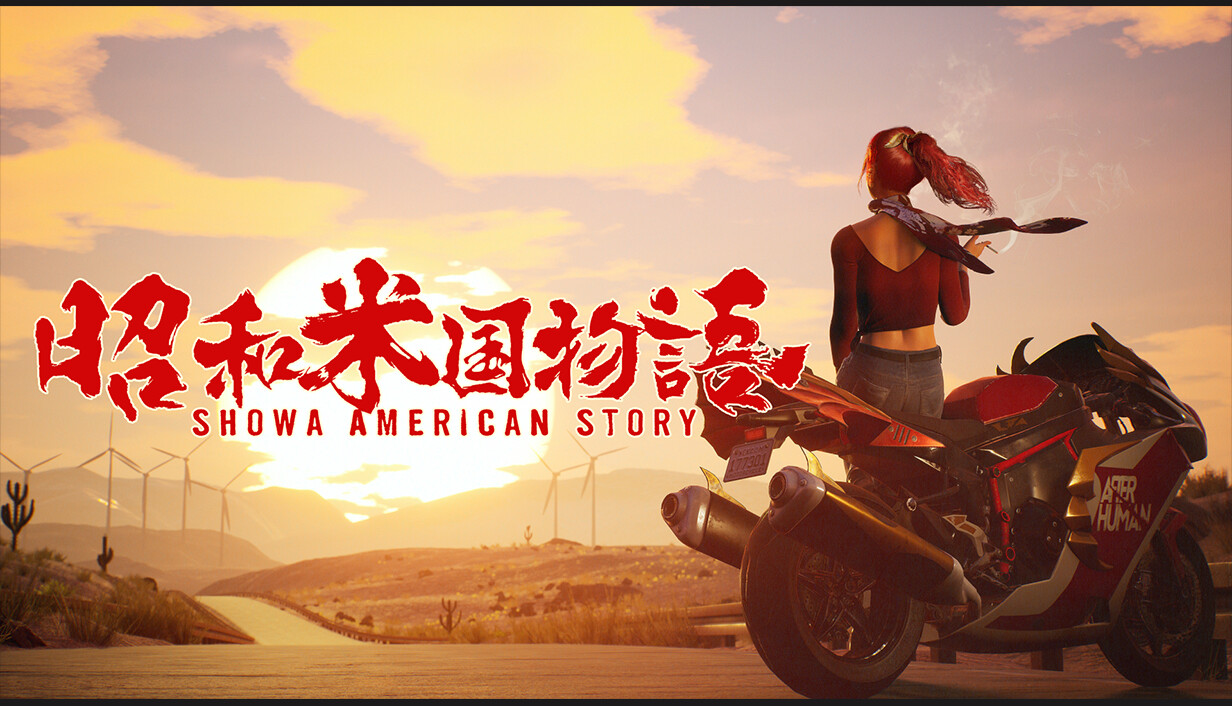
Japan has bought most of the United States, and a 19-year-old stunt performer who has come back from the dead is crossing a zombie-infested America. That journey is the story of Showa American Story. The game comes from China: it is being made by NEKCOM Entertainment, an indie studio in Wuhan.
The premise goes back to a claim reported in Japanese news during the Bubble era, when land prices in Japan were soaring. The land inside the Yamanote Line, the rail loop around central Tokyo, was said to be worth enough to buy the entire United States. Xiangyu Luo, who heads NEKCOM Entertainment and is the game’s creative director, has said in an interview that the idea came from those reports.
Showa American Story is due in 2026 on PC (Steam) and PlayStation 5. It has English voice acting and subtitles, and it is a single-player game.
America in Showa 66
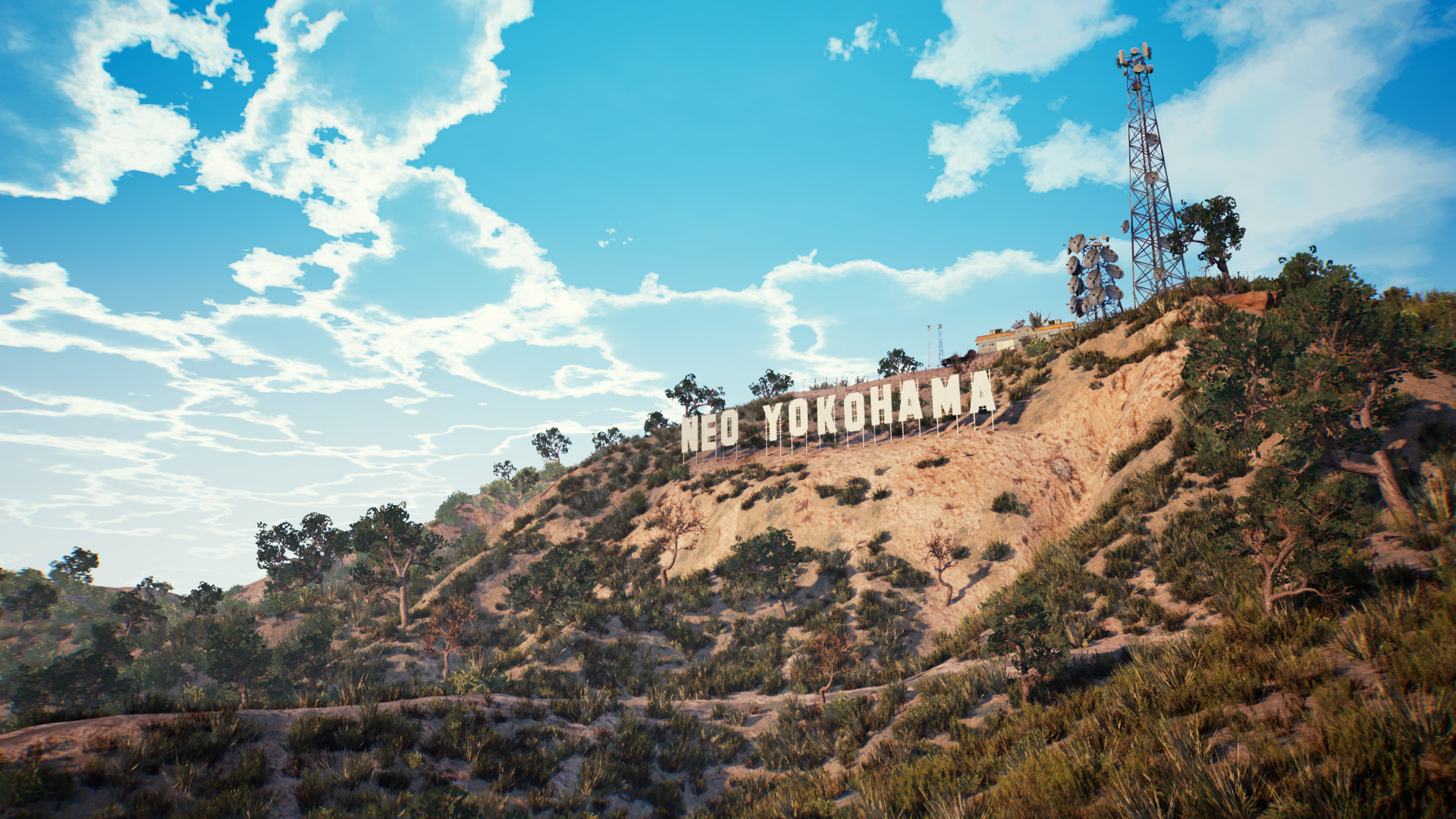
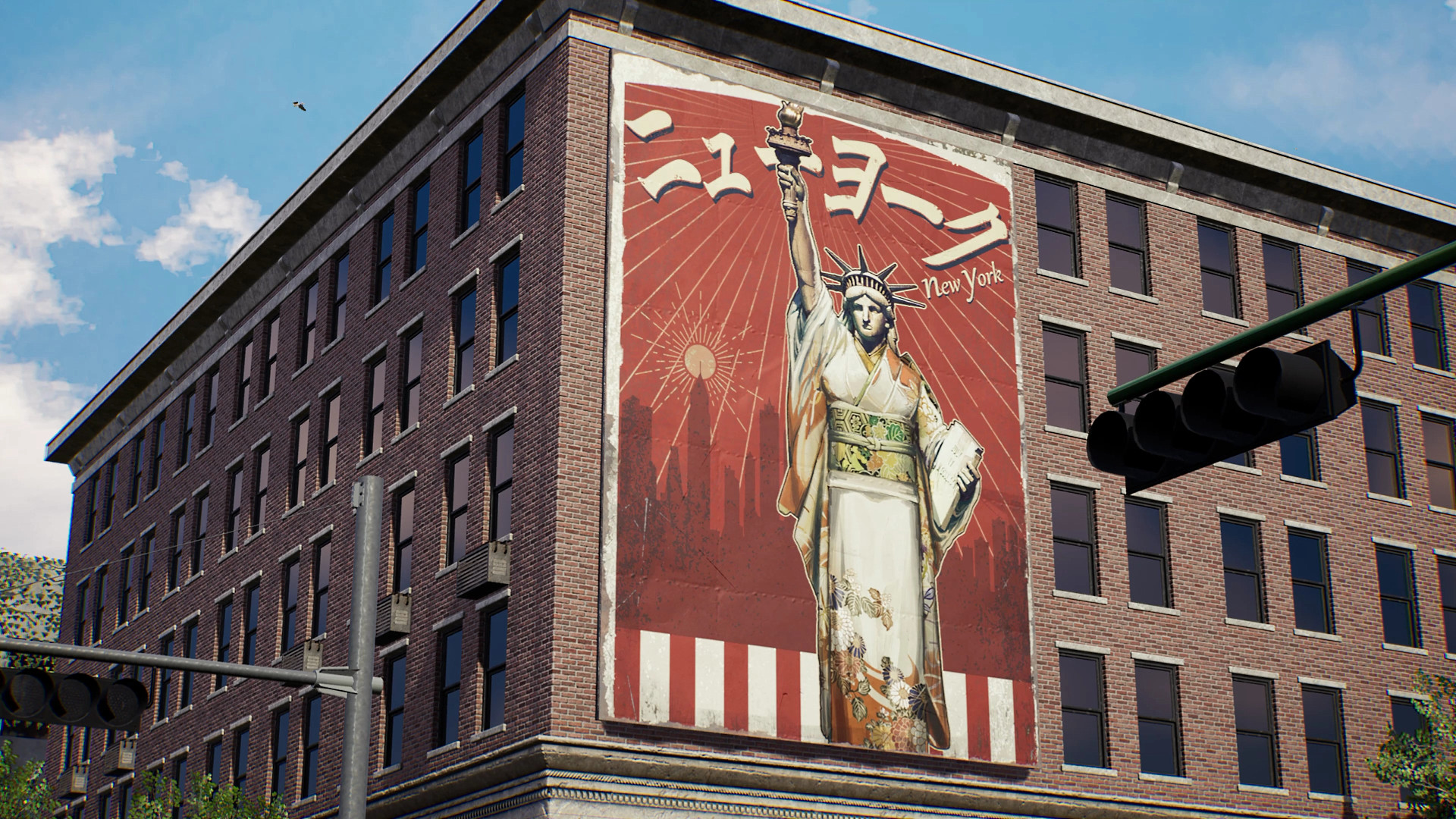
The year is Showa 66, which corresponds to 1991. Showa is a Japanese era name, and years are counted within it. In this world, Japan used its economic power to buy most of the United States, and Japanese culture took root there along with immigrants. The two cultures blended quickly and clashed at times, but citizens adapted. The official description calls the result Showa America.
Then a catastrophe no one can explain changed that world. Social order collapsed, and no one knows how much time has passed. In the middle of it, the protagonist, Choko, comes back from the dead. Choko is a stunt performer who came to Neo Yokohama to audition for a new action movie. She sets out to find her missing younger sister. Waiting down the road are zombies, monsters, and survivors of every background and belief.
Shogun rides a giraffe, and the weapons clear crowds
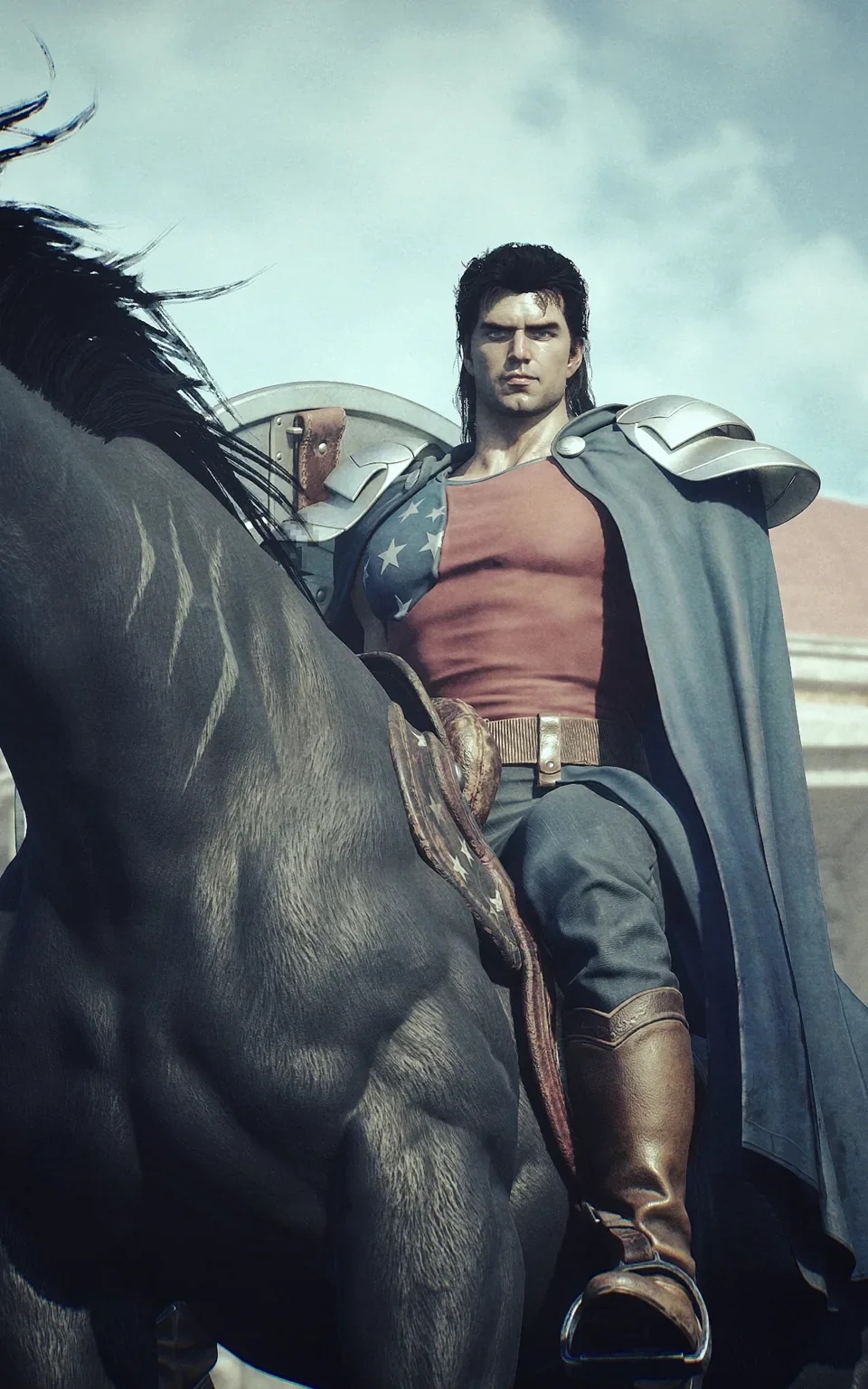
In the trailer, the boss Shogun makes its entrance on the back of a jet-black giraffe. According to the developer, Shogun stands about 20 feet tall, attacks with the giraffe’s long neck, can fly, and throws its shield.
Most fights, though, are against big crowds of enemies. Choko moves, attacks, dodges and counters as she fights through them at a fast pace. Her arsenal ranges from melee weapons and firearms to oddly engineered gadgets, and switching between weapons that handle differently lets her chain attacks together. The drill punches through several enemies at once. An American flag she can pick up works as a large, slow-swinging weapon that sweeps away a whole group of enemies at a time. Some sequences have you mash a button to get through.
A modified RV that doubles as a home on wheels
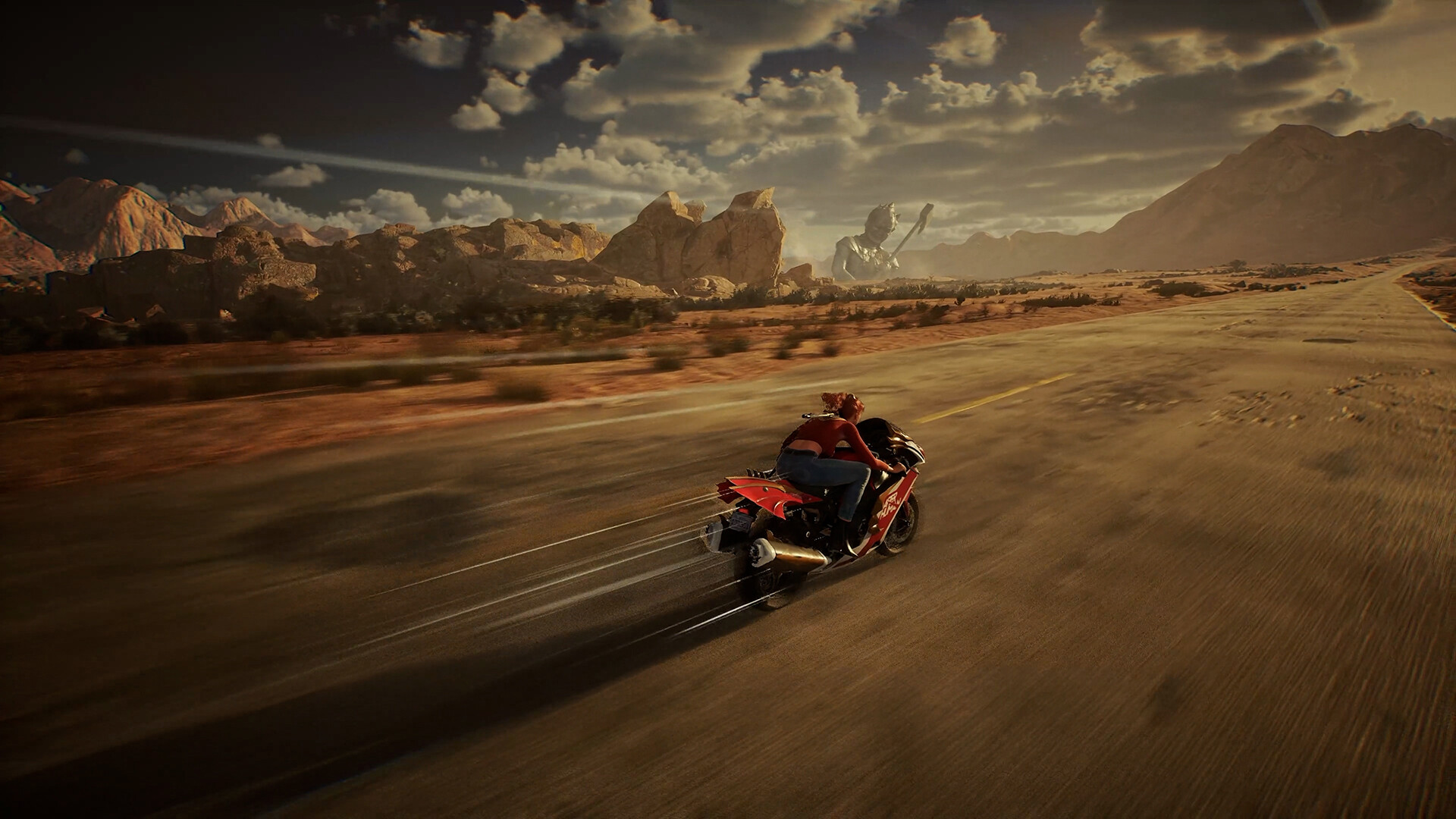
Choko’s base on the road is a modified RV. The official description calls it her home on wheels. The weapons, clothes, items and experience she gains on the journey are put to use there. “Daily Activities” raise Choko’s stats and also unlock new abilities. She can also get around by motorcycle or bicycle.
Since the vehicle that carries Choko is also her home, she should be able to keep her base with her however far she goes. What she picks up on the road can be used in that home, and Daily Activities unlock new abilities, so the longer her journey across America continues, the more Choko will likely be able to do.
The journey moves forward through main quests and side quests. Along the way, Choko takes in the culture of Showa America and digs up the stories of eccentric survivors living out in the wilds. There are also mini-games, which the official description says are packed with ’80s and ’90s nostalgia.
Why is a Chinese studio making a Showa game?
Luo, born in 1983, has said that of the entertainment reaching China during his childhood, 70 percent came from Japan and 30 percent from the United States. The streets of Showa American Story put the same two cultures side by side.
Before NEKCOM, Luo was a level designer at Ubisoft Shanghai on Tom Clancy’s Splinter Cell: Pandora Tomorrow, then worked at Pandemic Studios’ branch in China. In 2011 he founded NEKCOM Entertainment with game developers from China and the United States.
Showa American Story was first planned for release in 2025. In November 2025, NEKCOM Entertainment announced it was moving the release to 2026, saying it wanted to make a game players wouldn’t regret.