 JAPAN GAMING & ENTERTAINMENT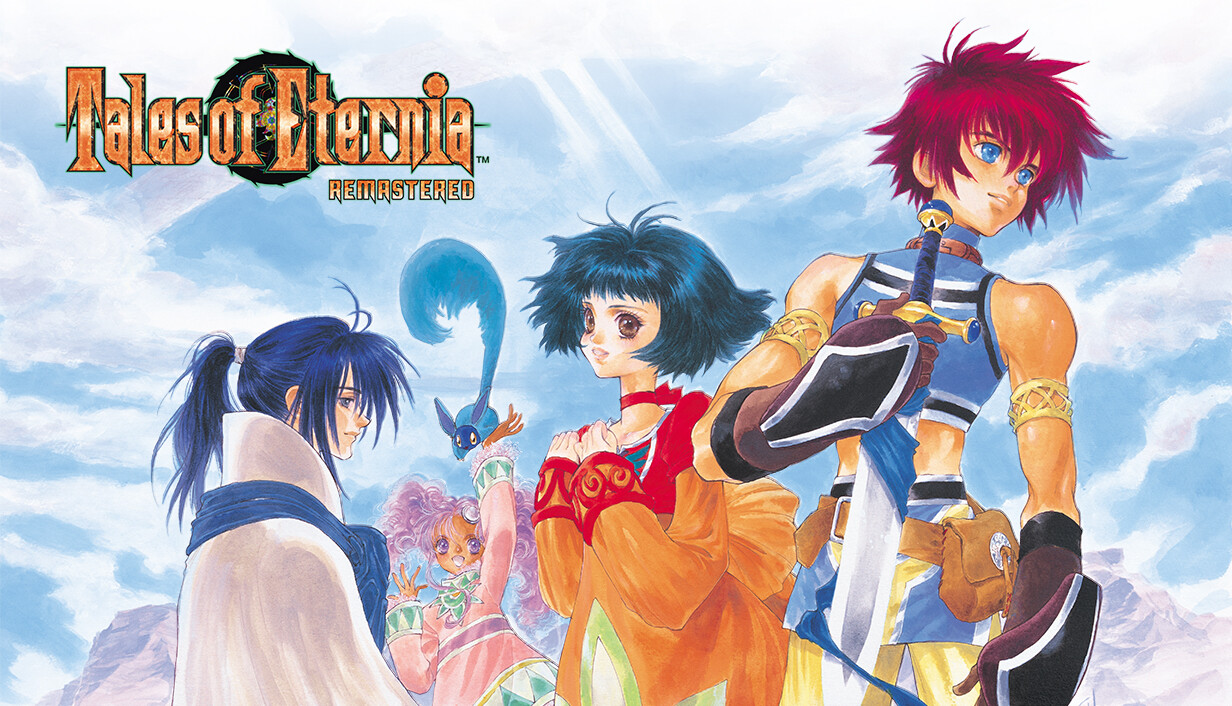
Tales of Eternia Remastered arrives on October 16. You play Reid Hershel, who lives in the world of Inferia, and his childhood friend Farah Oersted. One day the two meet Meredy, a girl from Celestia, the other world that faces theirs across the sky. When Reid and his friends learn that the Great Fall — the collision of the two worlds — is coming, they set out to stop it by borrowing the power of the Greater Craymels, who govern all phenomena.
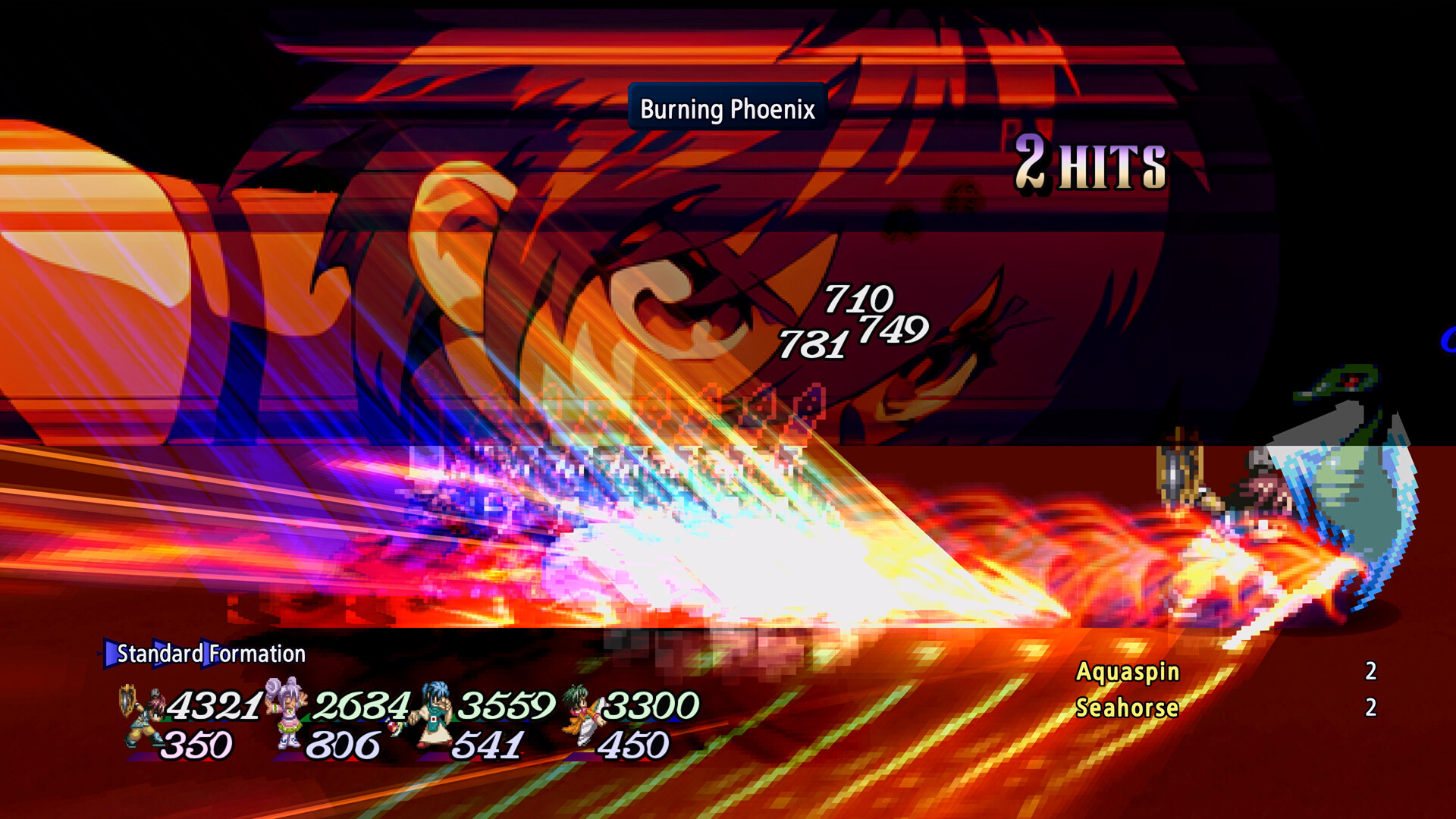
Combat is not turn-based. You chain Artes, the series’ term for spells and physical techniques, to keep a combo going, and attack in concert with party members who each fight differently. It is a real-time 2D battle system, officially called the Aggressive Linear Motion Battle System, or A-LMBS.
The game is coming to six platforms: Nintendo Switch 2, Nintendo Switch, PlayStation 5, PlayStation 4, Xbox Series X|S and Steam (PC). It is officially listed as single-player. Its language listing includes English text and indicates full audio support for both Japanese and English.
Anyone looking for the earlier game in English should pay close attention to its title. The original was released in English in 2001 as TALES OF DESTINY II.
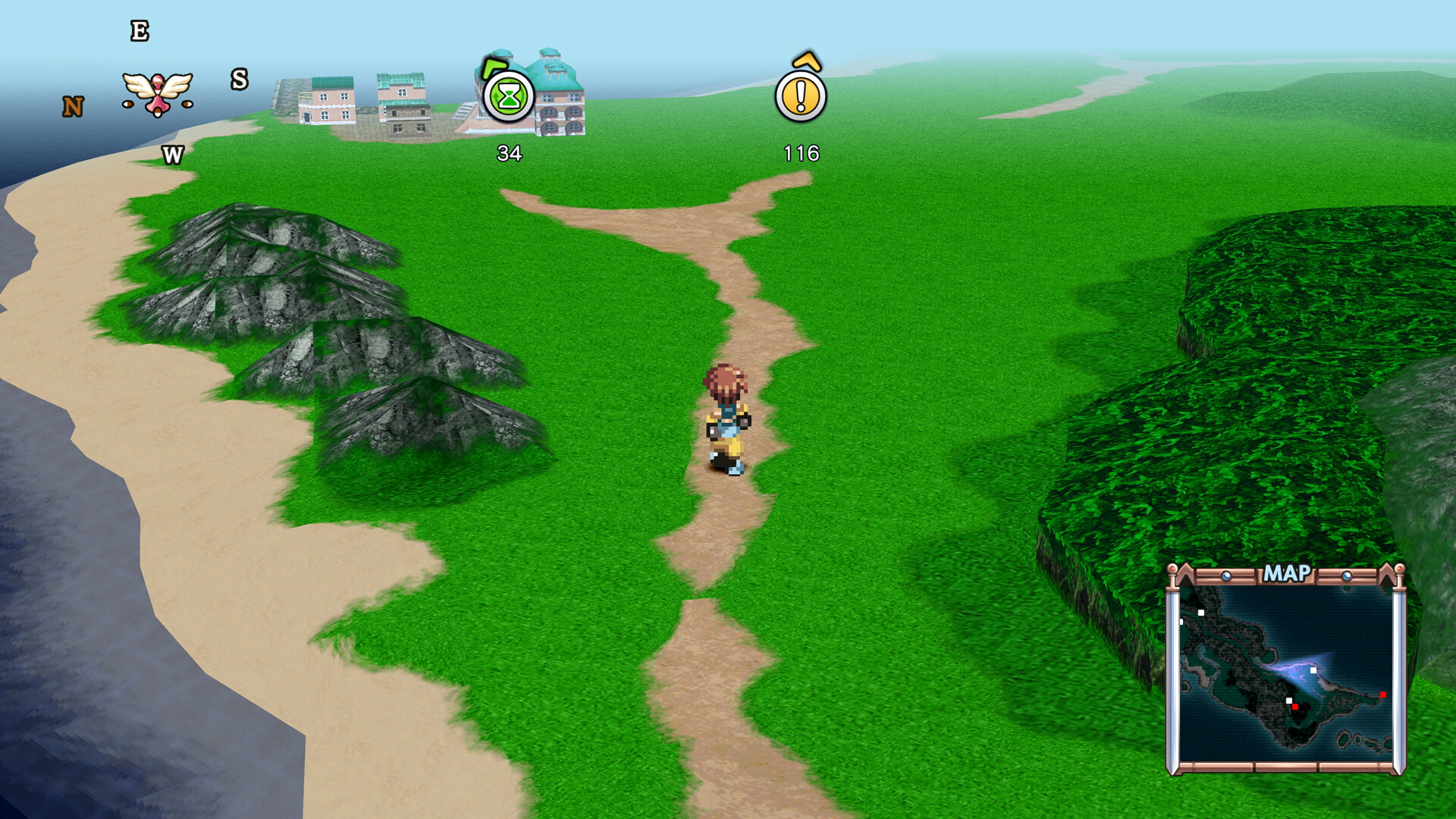
Waypoints, battle fast-forward, difficulty options, and retries
The remaster adds several features for playing a 25-year-old RPG today. In the main scenario, an icon marks the next place to go. Events tied to titles and items that can only be obtained for a limited time carry an hourglass icon. The hourglass marks events that are gone for good once missed.
In battle, a single button switches to a sped-up auto-battle mode. Boost lets you change how much experience you earn and how often you run into enemies. Extreme difficulty can be selected from the start, and clearing the game unlocks a new difficulty called Unknown. Battle Retry and Quick Recovery are also included.
The original, by contrast, was an RPG in which you had to remember where to go on your own. Depending on how you played, some events could be missed entirely, and every battle was played manually.
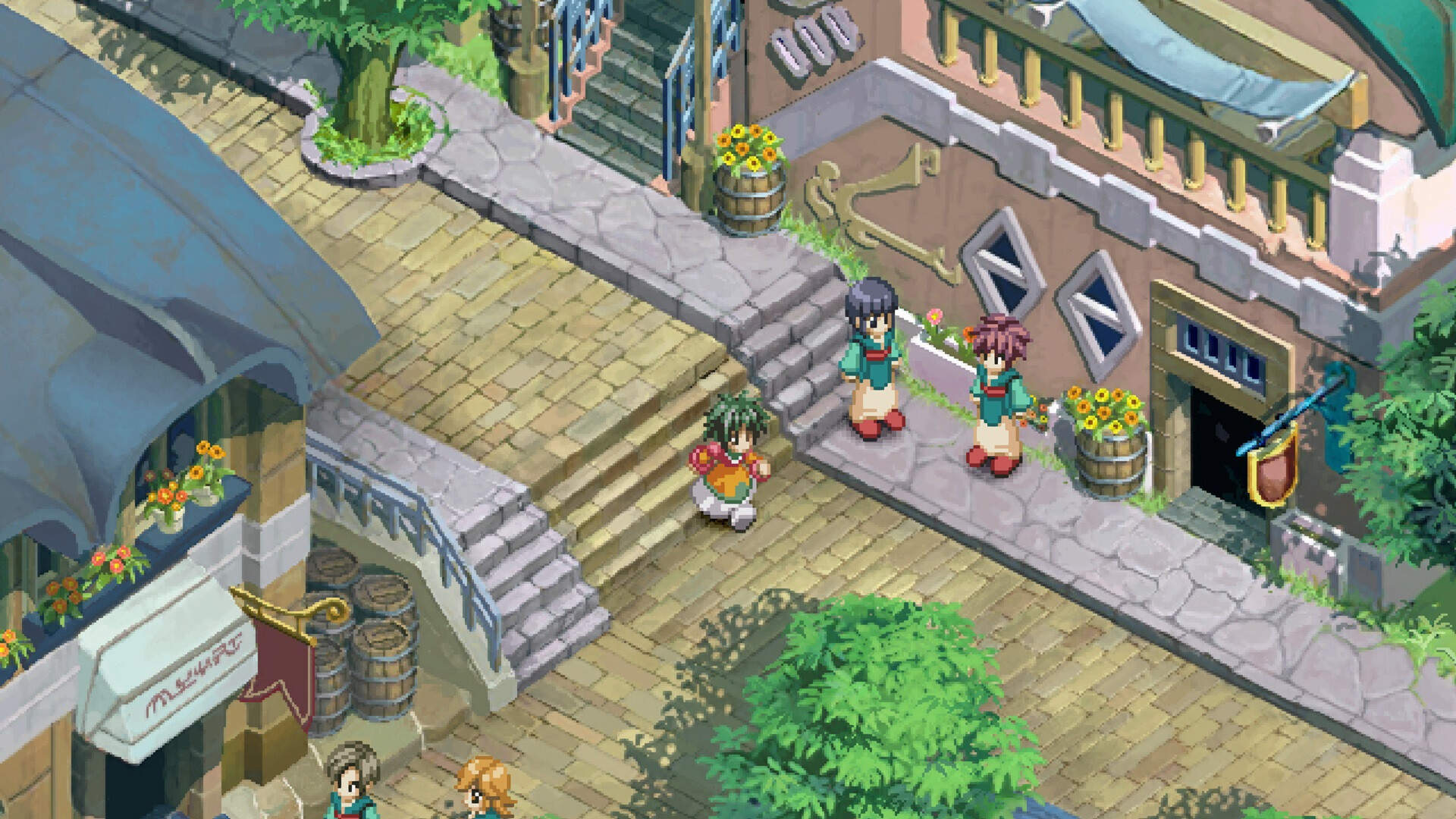
Background art and sound effects can be switched back to the original at any time
Background graphics and sound effects can each be switched between two modes using the Graphics Mode and SFX Mode options. You can play with the remastered versions adjusted for this release, or with the original versions that recreate the look and sound of the time. The switch can be made at any point during play.
Dropping the release-order plan
The project itself began in August 2024, when Bandai Namco Entertainment announced the Tales of Series - Remastered Project and said it would remaster past entries in the series one after another.
Yusuke Tomizawa, General Producer of the Tales of series IP, explained why the approach changed in an interview at TOKYO GAME SHOW in September 2025. According to reports of that interview, the original plan was to release the remasters in the order the games first came out. But sticking too rigidly to that order would hold back even titles that could otherwise be released. So each one would be released once it was ready. Getting even one more title out, and getting it out even a little sooner, would carry the series forward, he said.
Tales of Eternia Remastered was announced nine months later, in June 2026, during a Nintendo Direct. The release date and platforms were revealed the same day, along with an announcement trailer.
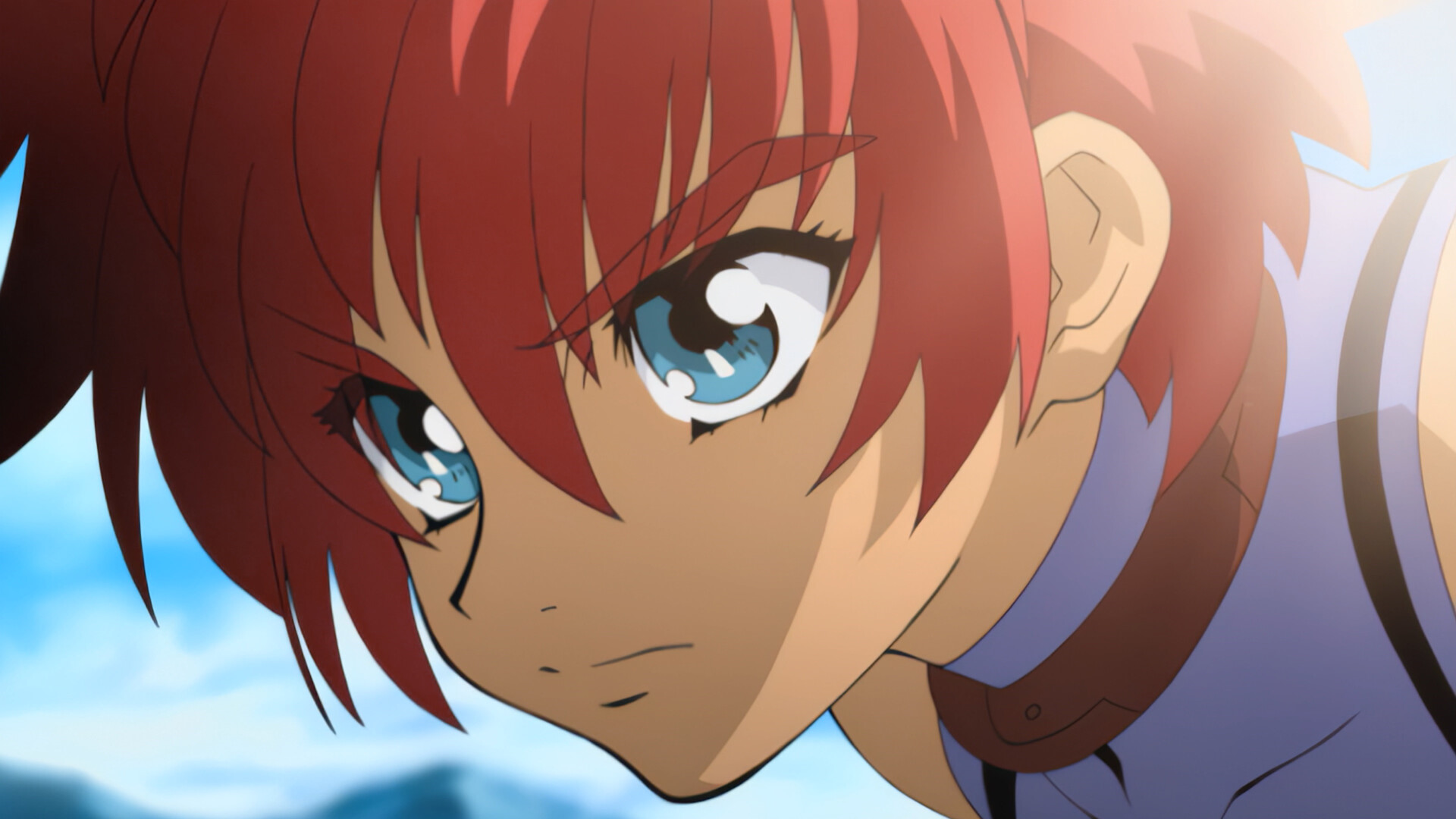
The remaster is based on the 2005 handheld version and developed by TOSE CO., LTD.
This remaster is based on the PSP version released in 2005. TOSE CO., LTD. is developing it, and Bandai Namco Entertainment is publishing. TOSE CO., LTD. lists CRISIS CORE –FINAL FANTASY VII– and Tales of Graces among its credits. The release comes 25 years after the original and 21 years after the port it is based on.