 JAPAN GAMING & ENTERTAINMENT
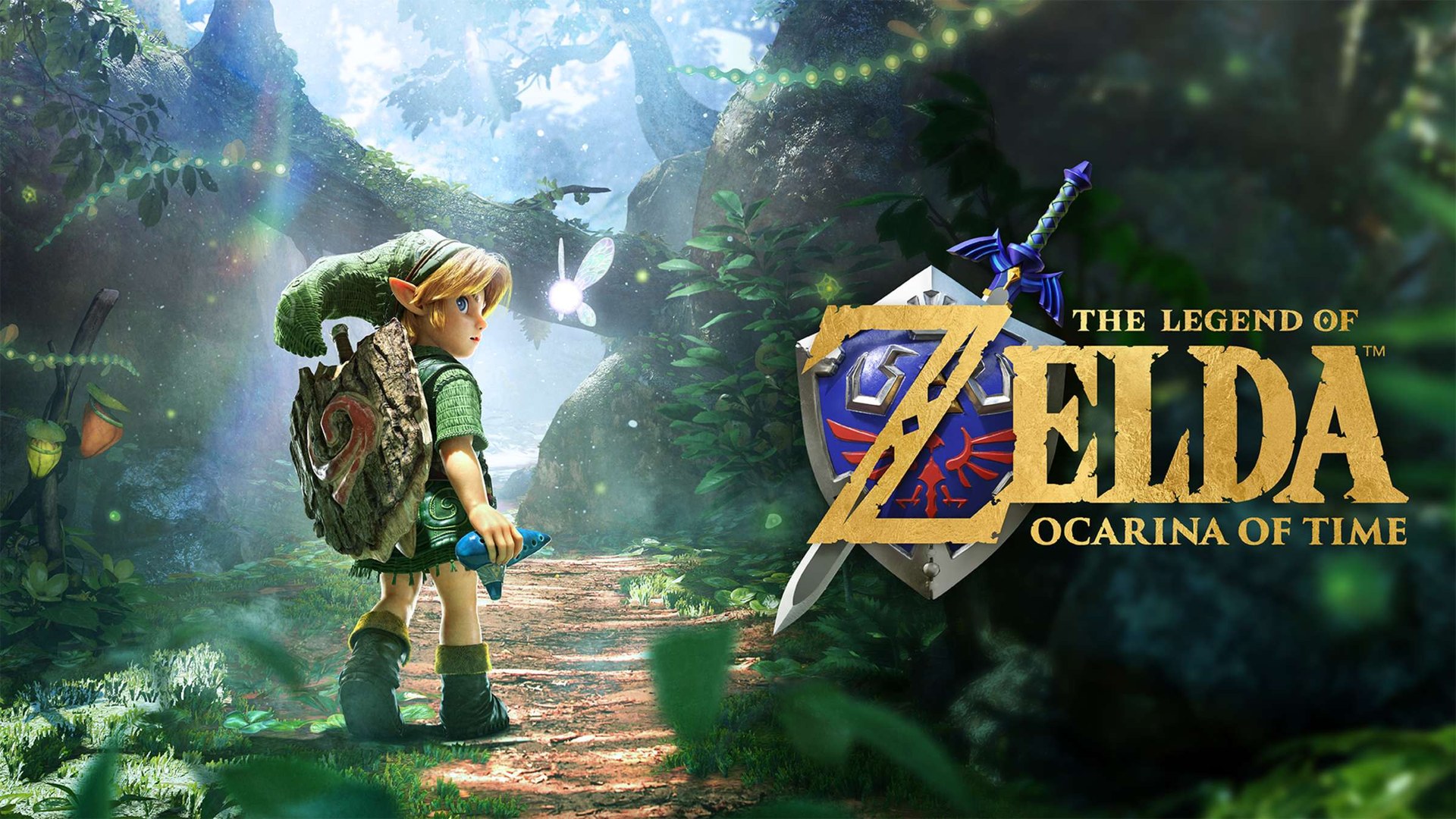
Many of the core developers behind the Switch 2 remake of The Legend of Zelda: Ocarina of Time are Nintendo in-house developers who worked on The Legend of Zelda: Breath of the Wild and The Legend of Zelda: Tears of the Kingdom. The Nintendo Switch 2 version launches November 5. In its official interview series Ask the Developer, Nintendo laid out the approach: the look changes, the experience doesn’t.
The original came out on Nintendo 64 in 1998. Link travels Hyrule with the fairy Navi, moving between his childhood and adult years, on a quest to take down Ganondorf.
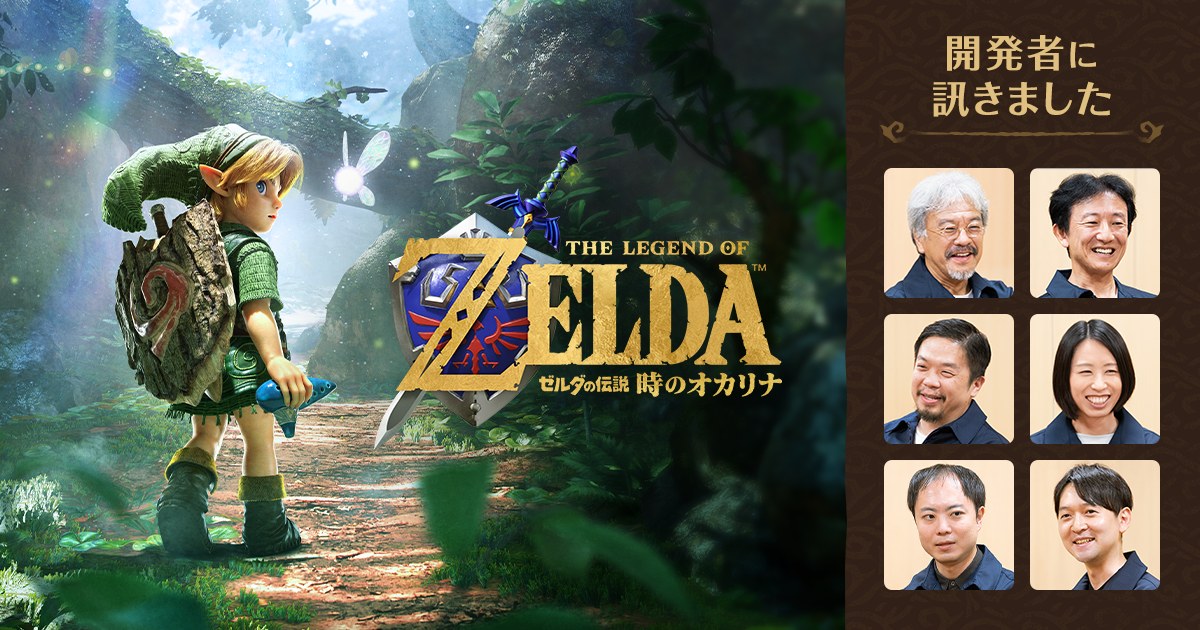
Series producer Eiji Aonuma and co-producer Hidemaro Fujibayashi stepped back and watched over the team. Aonuma calls Ocarina of Time his starting point, and he had a concern: whether team members who had only worked on relatively recent titles really knew how significant a game it is.
The team began by deciding what to change and what to keep. The director saw a charm in the original’s structure: separate areas linked together, rather than the seamless open-air world of Breath of the Wild and Tears of the Kingdom. Keeping the area transitions was deliberate, the director says, so players feel the rush of entering a new area as they did in the original. The sound director felt that the original music lives in the memories of people who played back then and shouldn’t be tampered with.
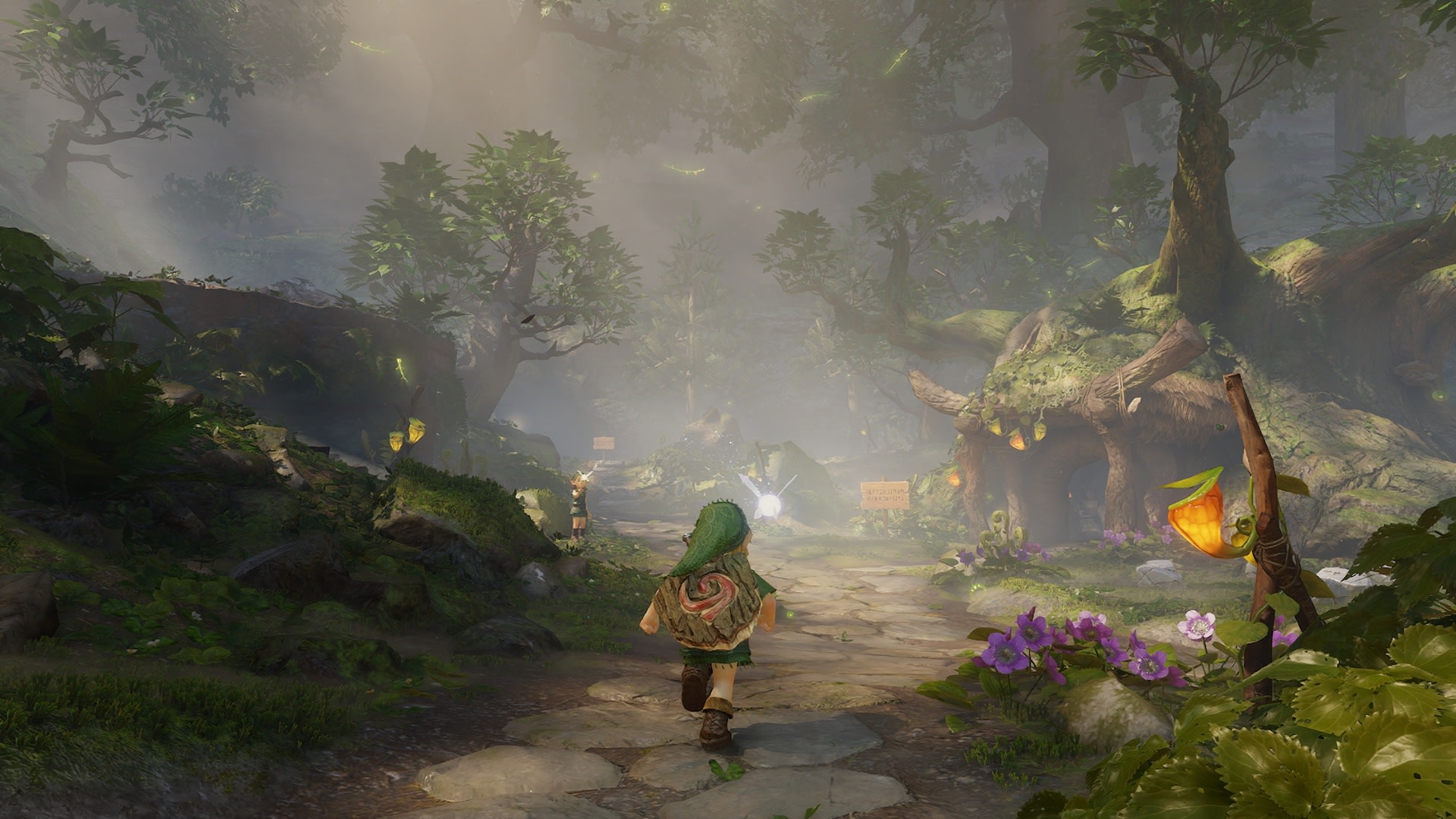
The visuals follow the same thinking. The art director packed more detail into the places you can walk to on Hyrule Field and pared it back for the places you can’t, treating them as distant scenery. Landmarks like the castle and the windmill are drawn large on purpose, so the screen tells you whether a spot is somewhere to go or something to look at, without spelling it out.
In the original, the forward roll was slightly faster than running, so many players crossed Hyrule Field by rolling. Aonuma wanted to do something about that and asked the team to try adding warp points. But once the team played with them, the moments of noticing something on the way and stopping to look were gone. The warp points were scrapped, the interview says.
With the area transitions kept and Hyrule Field still drawn to separate destinations from scenery, walking toward a landmark and stepping into a new area looks set to feel close to how it did 28 years ago.
Aonuma says he could tell this team cares about the original even more than expected.